As the popularity of prefab houses continues to rise, their longevity becomes a pivotal question. Industry expert Dr. Elizabeth Ryan, known for her extensive research in sustainable architecture, provides insight into this complex topic. She asserts, "The lifespan of prefab houses can be as significant as traditional homes, depending on materials and construction quality."
The question of "how long do prefab houses last" is not straightforward. Many factors influence durability, including design, location, and maintenance. High-quality materials can greatly enhance a prefab house’s lifespan, making it competitive with conventional builds. Yet, some modular homes may fall short if rushed construction leads to overlooked details.
Prospective homeowners should carefully consider these factors. Investing in a well-built prefab house can offer longevity and resilience. However, the market does include options of varying quality. A deeper understanding of prefabricated homes is essential for anyone considering this housing alternative. Ultimately, choosing the right prefab house requires thoughtful reflection on its long-term viability.
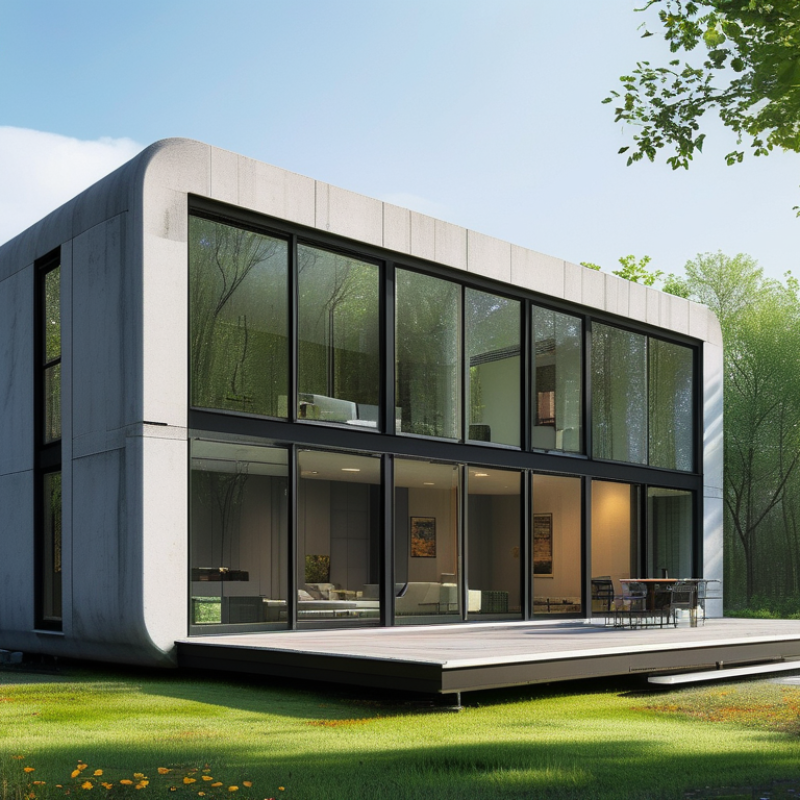
Prefab houses are gaining popularity due to their modern construction techniques. They are built in sections off-site, reducing construction time significantly. This method can lead to lower costs and increased efficiency. Materials like steel and wood are commonly used, ensuring durability and sustainability.
However, the quality can vary greatly. Not all prefab houses are equal. Some designs may overlook local climate conditions, affecting longevity. Additionally, potential issues may arise with insulation and energy efficiency. It’s essential to choose a reputable builder who emphasizes quality in their processes.
Customization is a key factor in modern prefab homes. Many buyers desire unique designs that reflect their personal style. Yet, this can add complexity to the project, impacting delivery times. Reflecting on these factors is crucial when considering a prefab home. Understanding the balance between speed, cost, and quality will help inform better decisions.
The longevity of prefab houses is a topic of increasing interest. Industry standards indicate that well-constructed prefab homes can last 50 years or more. However, this lifespan heavily depends on various factors. Quality of materials, climate conditions, and maintenance practices significantly influence durability.
Many homeowners overlook maintenance. Regular upkeep can vastly extend a home's life. In contrast, neglect leads to faster deterioration. For instance, ensuring proper insulation and preventing moisture buildup can mitigate damage. Moreover, the initial design choices impact how well a home withstands time and wear. Sustainable materials often perform better in varying climates.
There are successful prefab homes lasting decades. Yet, some require early renovations due to construction flaws. Understanding this helps buyers make informed decisions. Engaging with industry professionals often clarifies expectations and potential pitfalls. Prefab housing provides options, yet awareness of longevity challenges is crucial for any homeowner.
| House Type | Average Lifespan (Years) | Maintenance Frequency (Years) | Warranty Period (Years) | Average Repair Cost ($) |
|---|---|---|---|---|
| Wood Frame | 50 | 5 | 10 | 1500 |
| Steel Frame | 75 | 10 | 15 | 2000 |
| Container House | 30 | 3 | 5 | 1000 |
| Modular Home | 60 | 7 | 12 | 1800 |
| Eco-Friendly | 40 | 4 | 8 | 1200 |
When considering prefab houses, materials play a critical role in longevity and upkeep. Engineered wood, steel, and concrete are common components in prefab construction. A study from the National Association of Home Builders indicates that buildings made with steel framing can last up to 50 years, while those with concrete can outlast them significantly. However, proper maintenance is necessary to maximize this lifespan.
The choice of insulation is also crucial. Many modern prefab homes utilize foam insulation for energy efficiency. While effective, it may need replacement sooner than traditional materials. A report by the U.S. Department of Energy found that poor insulation could lead to energy losses of 20-30%. Homeowners should check periodically for signs of wear.
Lastly, the climate can impact durability. In regions with heavy snowfall, the roof structure must be reinforced. Conversely, in humid areas, mildew can deteriorate wood quickly. Regular inspections can prevent costly repairs. Therefore, understanding materials and maintaining them is vital for the longevity of prefab homes.
The lifespan of prefab houses compared to traditional homes brings intriguing insights. According to a study by the National Association of Home Builders (NAHB), traditional homes can last over 70 years. In contrast, many prefab homes are designed to last around 50 years, although this can vary based on materials and construction methods.
Weather resistance is a critical factor. Traditional homes often utilize time-tested materials such as brick and wood, while some prefab designs may rely on modern composites. These composites can degrade faster when exposed to harsh conditions. A survey by the Modular Building Institute highlighted that moisture and insulation issues can shorten the lifespan of some prefab models.
Maintenance plays a significant role in durability. Regular upkeep can extend the life of both house types. Prefab homeowners need to stay vigilant about inspections, especially regarding joints and seams that might wear. Some prefab owners express concern over the long-term viability of their structures, revealing a gap in perception versus reality. While prefab homes offer speed and efficiency, their longevity isn't guaranteed without proper care.
Prefab houses are becoming increasingly popular for their efficiency and design flexibility. But how long do they last in real-world scenarios? Homeowners are sharing their experiences, providing valuable insights into the longevity of these homes.
One homeowner in a northern climate reported durability challenges. Heavy snow caused stress on the roof. However, with regular maintenance and timely repairs, they managed to extend its life. This example highlights the importance of monitoring and maintaining prefab structures to prevent potential issues.
Tips: Regular inspections are essential. Schedule them at least twice a year. Pay attention to weather impacts in your area. Little issues can escalate quickly if ignored.
Another family in a coastal town faced different challenges with corrosion. Saltwater air affected metal fittings. They found out that choosing the right materials significantly impacts longevity. Some finishes have proven more resilient than others.
Tips: Research materials before construction. Some options resist corrosion and wear better. Consult experts to understand the best choices for your location.
Overall, the experiences of prefab homeowners show that maintenance and material selection are critical for longevity. Individual circumstances can lead to refreshing insights and lessons on prefab home sustainability.
: Prefab houses are built in sections off-site. This method saves time and often reduces costs.
Well-constructed prefab homes can last around 50 years. Factors like materials and maintenance influence their longevity.
The quality can vary widely. Issues may arise from climate adaptation and insulation effectiveness.
Yes, customization is popular. However, it can complicate the project and delay delivery times.
Regular maintenance is crucial. Neglect can lead to faster deterioration and increased repair costs.
Traditional homes can last over 70 years, whereas prefab homes average about 50 years, depending on materials.
Common materials include steel and wood. Sustainable materials often perform better in diverse climates.
No, construction quality varies. Choosing a reputable builder is essential for a durable and efficient home.
Some owners worry about the long-term viability. Issues with joints and seams may require regular inspections.
Engage with industry professionals for insights. Understanding design and material choices can prevent issues later.
The article "2026 Best Prefab Houses: How Long Do They Really Last?" explores the modern construction techniques employed in prefab houses and their implications for durability. It discusses the longevity of prefab houses, referencing industry standards and lifespan data to provide insights on how long do prefab houses last. Various materials used in prefab construction are analyzed for their impact on the overall durability and maintenance requirements.
Additionally, a comparative analysis is presented between the lifespan statistics of prefab and traditional houses, revealing trends and performance outcomes. Real-life case studies highlight the experiences of prefab homeowners, offering valuable perspectives on longevity and the practical aspects of choosing prefab living. This comprehensive overview aids potential buyers in understanding the lasting value of prefab homes in today's market.

NGL Home