Explore our leading modular learning structural systems designed for quick global commissioning.
How Modern Prefabricated Educational Buildings Solve the Global Infrastructure Deficit.
The global demand for modernized educational facilities is witnessing an unprecedented surge. Driven by rapid urbanization, population shifts, and the urgent necessity to upgrade aging school infrastructure, traditional brick-and-mortar construction methodologies are struggling to keep pace. Conventional structures require lengthy deployment schedules, are highly sensitive to weather delays, and suffer from high carbon footprints. In contrast, prefabricated and modular classrooms have transitionally migrated from "temporary emergency fixes" to permanent, structurally superior architectural components of public and private education systems worldwide.
According to current market intelligence, the modular construction sector is expanding at a CAGR of over 7.5%, with institutional facilities—particularly schools, lecture halls, and laboratories—acting as core catalysts. Developers and educational ministries are optimizing capital expenditure (CAPEX) through structural systems engineered in controlled factory environments. By minimizing on-site disruptions, preventing material waste, and utilizing precise automated manufacturing, pre-engineered steel structure schools achieve up to 50% faster deployment times while fulfilling strict regional structural, acoustic, and thermal requirements.
Deep-dive analysis of structural engineering, insulation values, and structural steel standards.
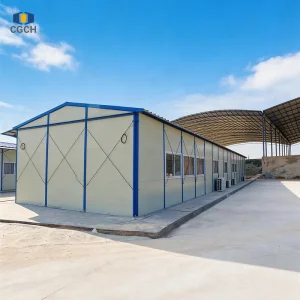
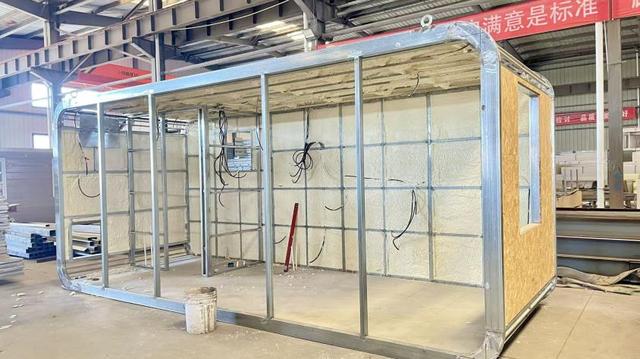
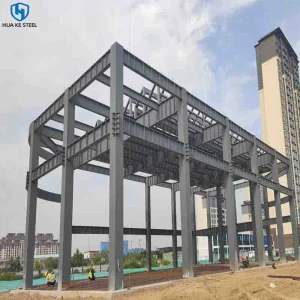
The foundation of our structural integrity lies in high-yield Q355 hot-dip galvanized steel frames, providing excellent load-bearing characteristics and corrosion resistance. Engineered to withstand wind loads up to 140 mph (Hurricane Level) and high seismic activity zones.
Utilizing high-density Polyurethane (PU), Rockwool, or EPS sandwich panels ranging from 50mm to 150mm. Designed to achieve optimal U-values and thermal conductivity ratings that exceed strict European and North American building codes for energy conservation.
Classrooms require low ambient decibel levels to maximize learning retention. Our modular systems integrate decoupled structural connections and double-glazed low-E window assemblies, providing superior Sound Transmission Class (STC) ratings.
Future engineering roadmaps for Guangzhou NGL Home Co., Ltd. emphasize the integration of sustainable technologies. Our R&D division is actively embedding Building Information Modeling (BIM) workflows to facilitate structural precision. By integrating digital twins, we evaluate structural life cycles from pre-production to on-site assembly, ensuring error-free configuration. Future plans include factory-integrated solar PV systems (BIPV) and active graywater recycling interfaces, driving modular school design towards Net-Zero energy performance standards.
How our vertically integrated factory and logistics networks guarantee quality and delivery.
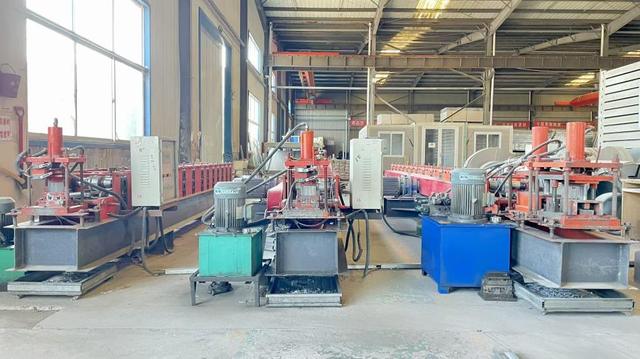
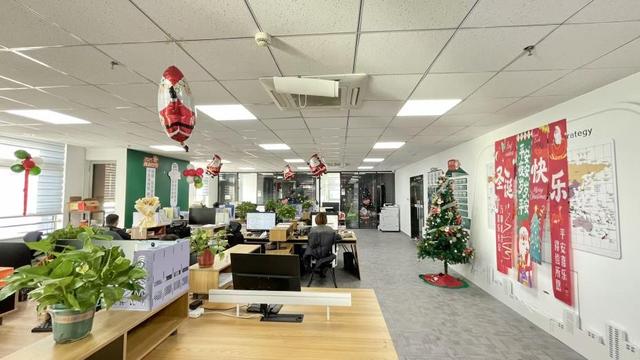
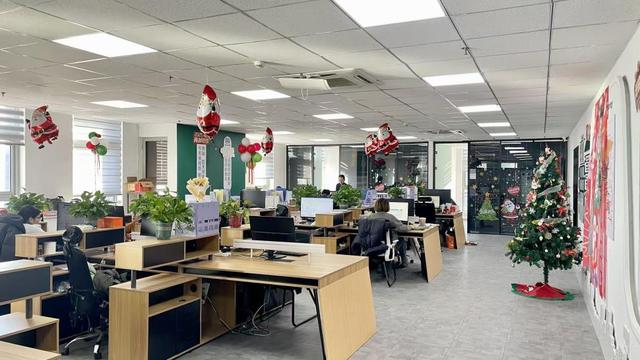
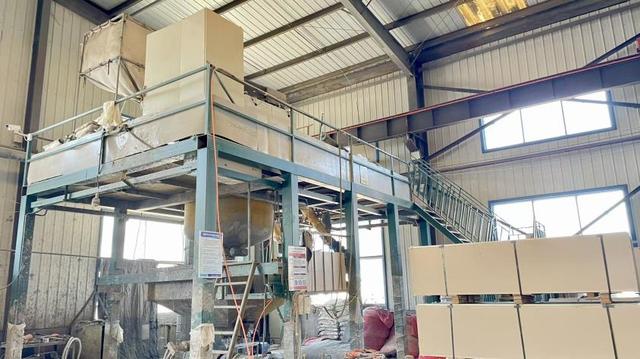
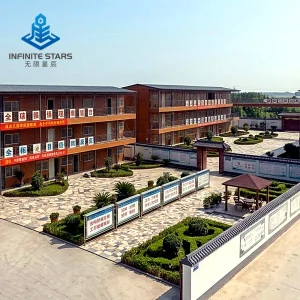
Guangzhou NGL Home Co., Ltd. stands as a premier manufacturing and exporting powerhouse in Southern China. Operating out of highly advanced production hubs, NGL Home bridges the gap between raw metallurgy and turnkey modular installation. Our production capabilities cover a broad product spectrum, including heavy-gauge steel structure classrooms, multi-story school complexes, flat-pack emergency clinics, and flexible modern offices.
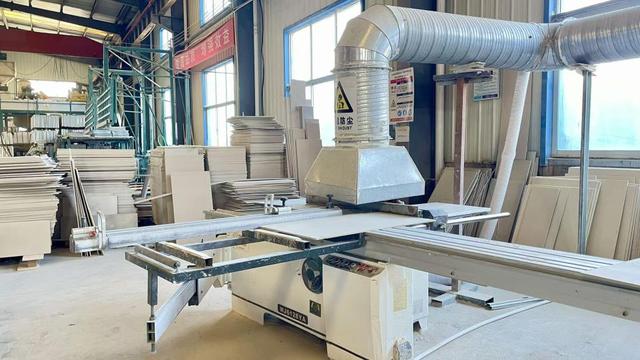
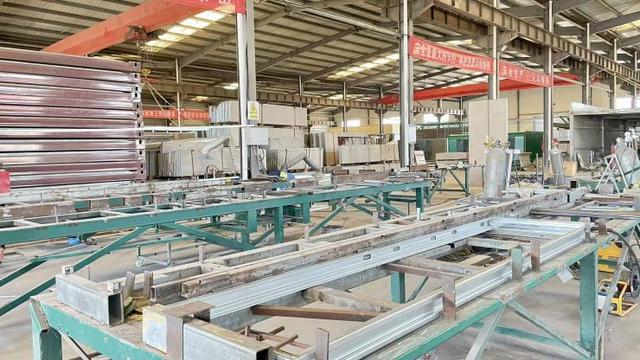
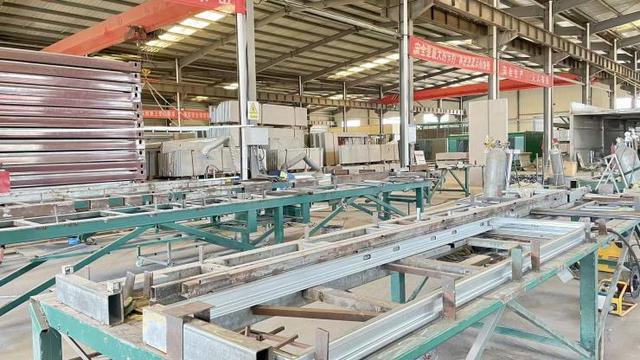
Our strategic proximity to key global shipping ports in Guangzhou and Shenzhen guarantees competitive freight rates, streamlined customs clearance, and reduced transit timelines. By controlling the complete supply chain—from high-precision steel cutting and automated robotic welding to final quality assurance checks—we mitigate delivery risks commonly caused by material shortages or raw material cost spikes.
All load-bearing structures undergo structural checks and weld inspections prior to packing.
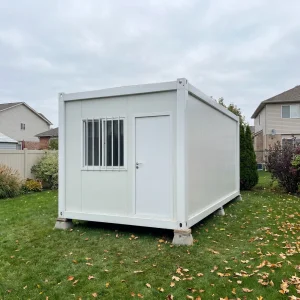
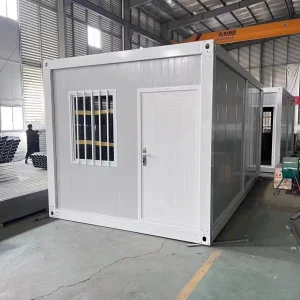
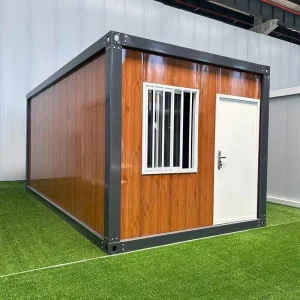
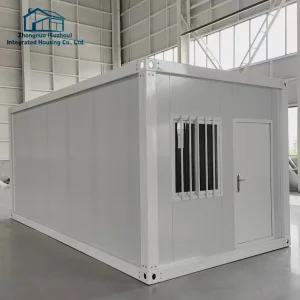
Up to 4 units of flat-pack classrooms can be consolidated into a single standard 40ft HQ container, lowering shipping costs.
Deployable configurations customized to meet varying regional demands.
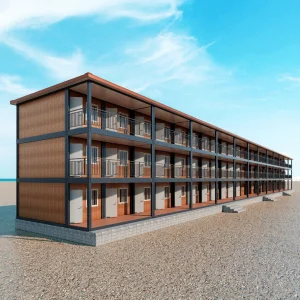
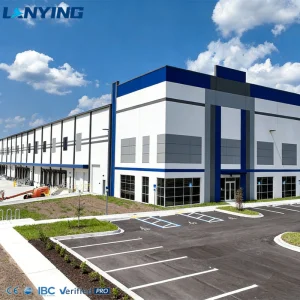
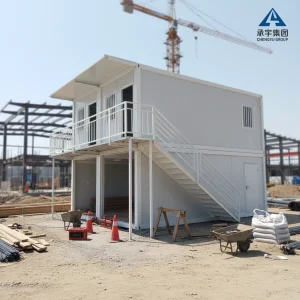
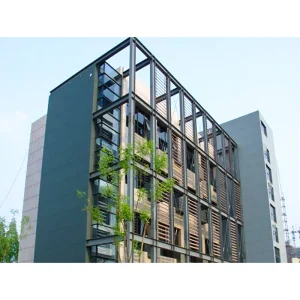
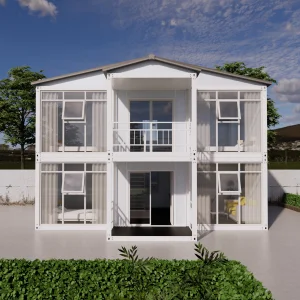
Municipal zones facing overcrowding can rapidly expand their vertical footprint. By deploying multi-story prefab container modules, schools can open new classrooms over summer breaks, bypassing heavy site construction noise and dust hazards.
In developing regions lacking skilled site labor, modular flat-pack classrooms provide an easy solution. Designed with simplified bolt-together connections, these systems can be assembled by local technicians using basic hand tools.
When natural disasters strike, restoring educational routines is essential for community recovery. Our emergency modular systems serve as disaster-relief classrooms, clinics, and shelter spaces within days of arrival.
Meeting international building code regulations for long-term reliability.
Navigating global building codes is a key challenge for developers importing modular structures. Guangzhou NGL Home Co., Ltd. works directly with third-party testing organizations to ensure our structural steel and composite panels meet structural requirements in Europe, North America, South America, and Oceania.
Our prefabricated systems are manufactured to comply with International Building Code (IBC) standards, Eurocode structural specifications, and AS/NZS engineering requirements. From electrical wiring compliance (CE/UL) to plumbing fittings, we design every component to streamline local utility integration. This minimizes site-permitting bottlenecks and ensures structural safety for educational institutions, government facilities, and resource camps.
Technical, logistical, and structural answers to key modular procurement inquiries.
Additional engineering solutions designed for complex, rapid-assembly project requirements.
 NGL Home