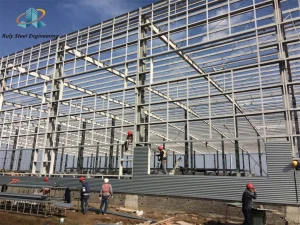
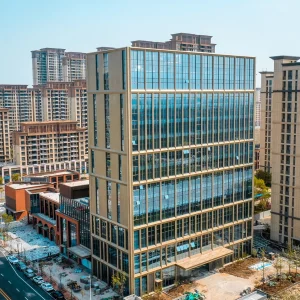
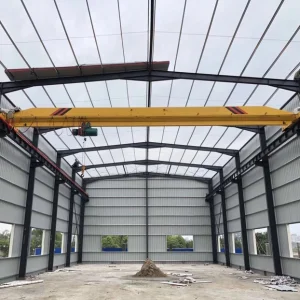
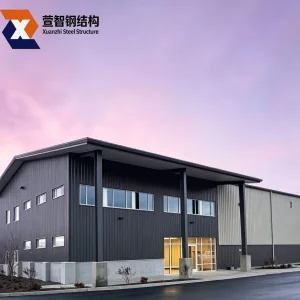
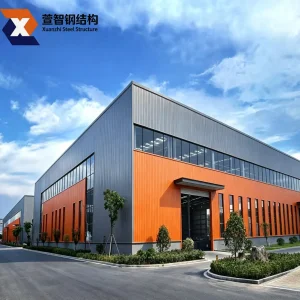
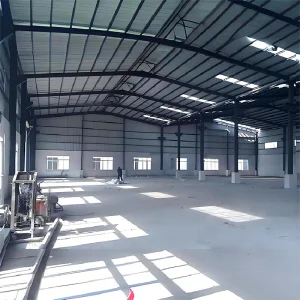
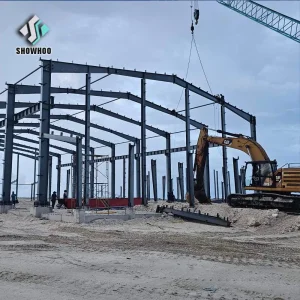
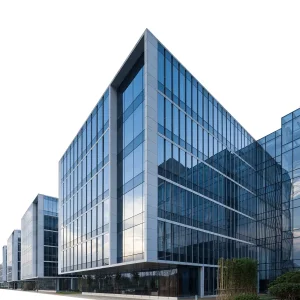
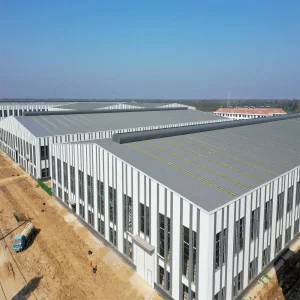
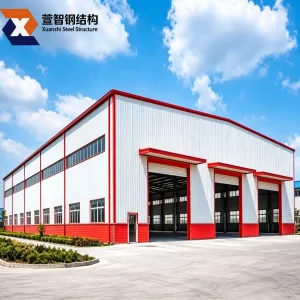
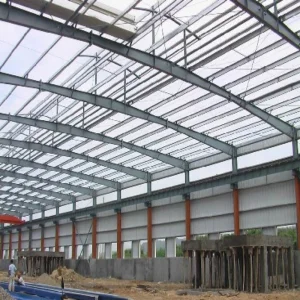
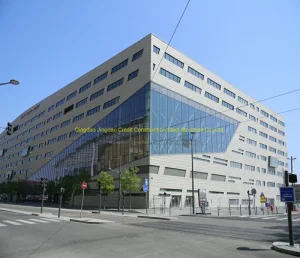
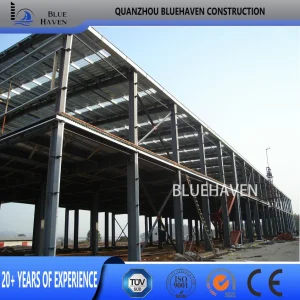
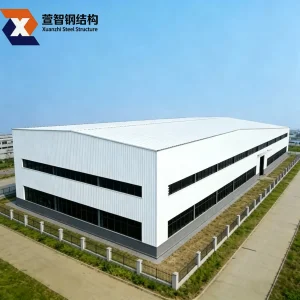
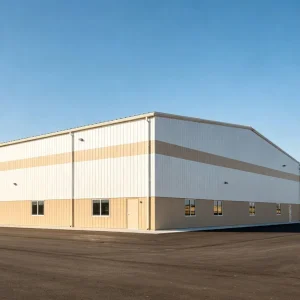
Explore our flagship catalog of custom steel kits, portal frame structures, modular complexes, and economic light-gauge office installations.
An in-depth analysis of modern engineering trends driving prefabricated construction across commercial and institutional sectors.
The global commercial real estate sector is undergoing a structural transition. Rapidly changing economic environments, shifting localized zoning requirements, and an intense focus on minimizing environmental footprints have forced developers and procurement officers to look beyond conventional building techniques. Enter the prefab office building. No longer considered merely temporary, low-quality solutions, modern prefabricated office building systems stand at the vanguard of green construction, computational architectural design, and industrial scale optimization.
From the rapid urbanization hubs of Southeast Asia to the strict carbon-neutral regulatory frameworks of Northern Europe, prefab engineering systems provide modular versatility. For instance, in North America and Western Europe, a chronic shortage of specialized on-site labor has pushed commercial developers to implement off-site construction methods. According to industry intelligence, configuring commercial facilities in a controlled factory setting reduces on-site labor demand by up to 60%, drastically minimizing overhead, reducing regional zoning liabilities, and stabilizing capital deployment cycles.
In conventional office construction, sequential dependencies—such as waiting for foundation curing before commencing framing—extend structural schedules. With modular steel structure prefab configurations, foundation work occurs concurrently with factory frame fabrication, accelerating delivery timelines by up to 50%.
How advanced material science and automated manufacturing ensure structural durability and comfort.
Utilizing high-tensile hot-dip galvanized steel frames (Q235B/Q355B structural steel grade) ensuring extreme wind load capabilities and corrosion resistance.
Thermal insulation configured with fire-retardant polyurethane (PU), mineral rockwool, or density-graded EPS sandwich panels optimized for specific U-value parameters.
Designs built for horizontal extension and vertical stacking (up to 3 levels). Easily detachable and portable structures configured for fluid operational relocations.
When evaluating prefab office building factories, manufacturing capacity, logistics networks, and supply chain control are critical differentiators. Chinese modular manufacturing hubs, led by specialized organizations like Guangzhou NGL Home Co., Ltd., operate within highly consolidated industrial ecosystems. This localization of components—from structural steel rolling mills, automated CNC welding lines, hot-dip galvanizing plants, to high-density insulated panel manufacturing—drives down the bill of materials (BOM) cost while ensuring precision tolerances.
At NGL Home, we combine advanced manufacturing technology with rigorous quality management to ensure every project meets international standards. Our experienced engineering team offers complete OEM and ODM services, including customized layouts, structural design, thermal insulation, electrical and plumbing systems, interior decoration, exterior finishes, and project-specific modifications to satisfy diverse customer requirements.
By leveraging Guangzhou's premier maritime port logistics, NGL Home guarantees rapid global dispatch. This spatial advantage reduces sea freight turnaround times, allowing global procurers to acquire prefabricated office modules and custom steel portal frames with minimal logistics disruption.
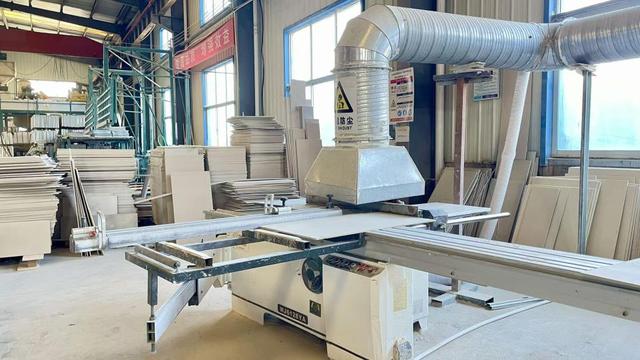
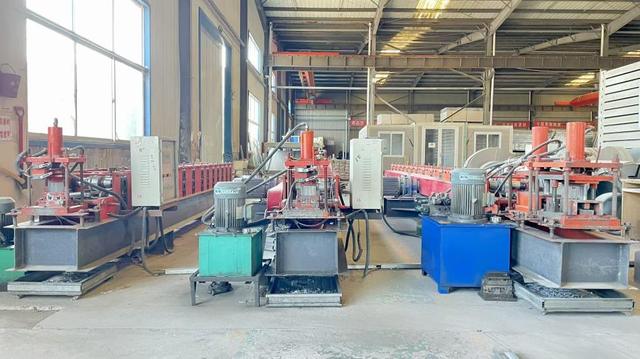
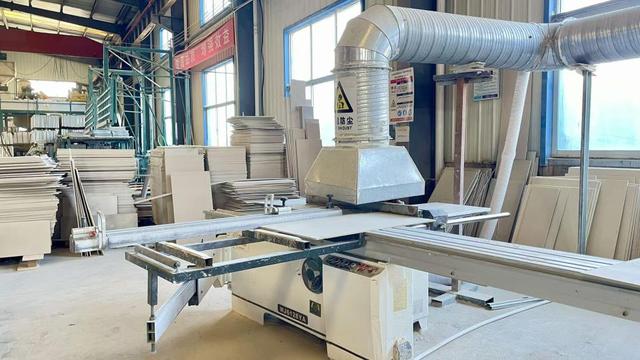
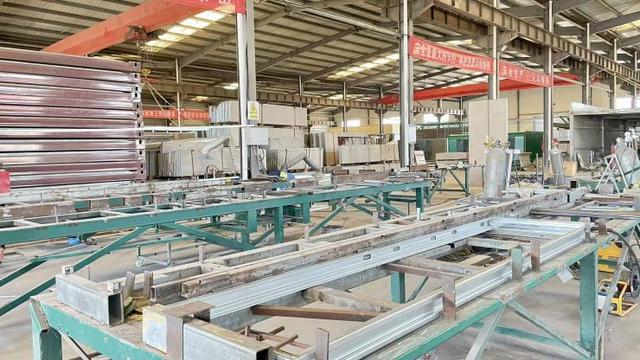
Guangzhou NGL Home Co., Ltd. is a leading manufacturer of prefab houses, modular buildings, portable homes, and steel structure construction solutions in China. With extensive experience in the prefabricated building industry, we are committed to providing innovative, efficient, and sustainable housing systems for residential, commercial, industrial, and institutional applications worldwide.
Our comprehensive product range includes prefab houses, modular homes, steel structure houses, portable cabins, flat pack container houses, expandable homes, labor camps, site offices, modular classrooms, healthcare buildings, commercial units, resort villas, and customized prefabricated structures. Designed with flexibility and durability in mind, our solutions offer fast installation, convenient transportation, reduced construction costs, and excellent long-term performance.
Constructed with premium galvanized steel frames and high-quality insulation materials, our prefabricated buildings provide outstanding structural strength, weather resistance, energy efficiency, and comfortable living environments. They are widely applied in construction sites, mining camps, government housing projects, tourism resorts, educational facilities, medical centers, emergency relief programs, military camps, and permanent residential developments.
Driven by innovation, quality, and customer satisfaction, Guangzhou NGL Home continuously invests in modern production equipment and product development to deliver reliable modular construction solutions to global markets. Our products are exported to Europe, North America, South America, Southeast Asia, the Middle East, Africa, and Oceania, earning long-term trust from contractors, developers, distributors, and project owners.
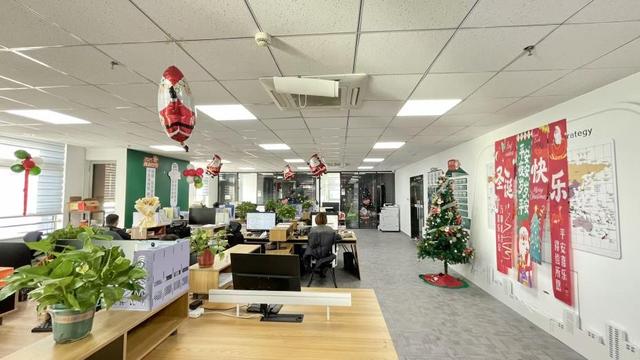
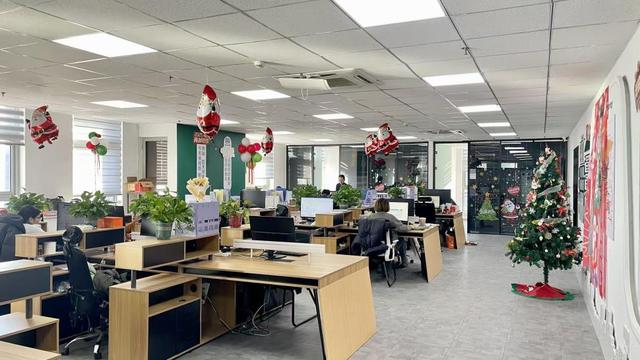
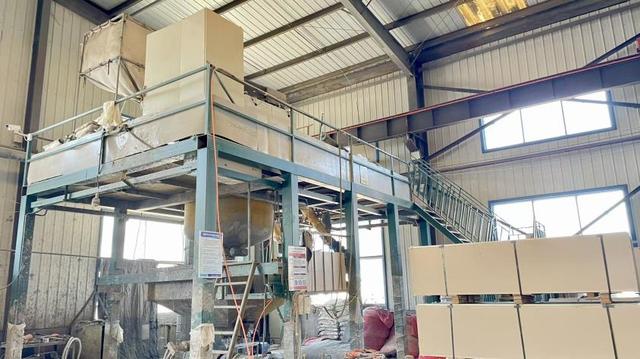
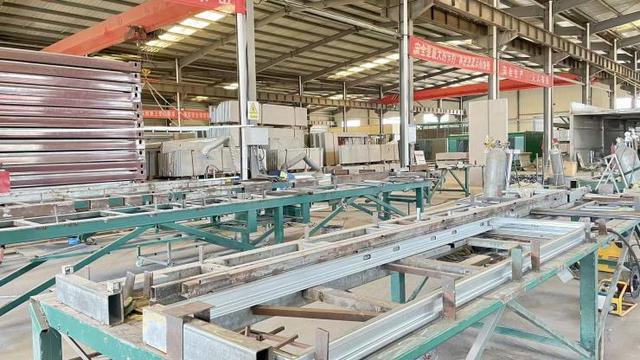
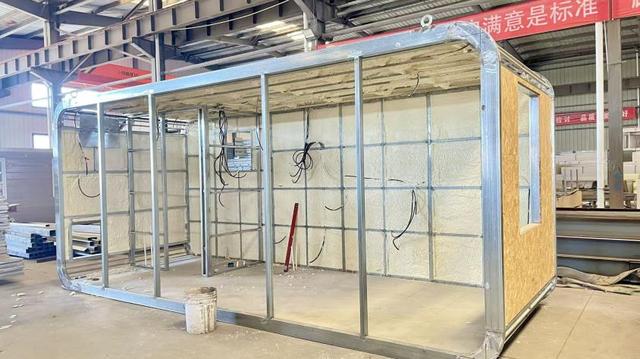
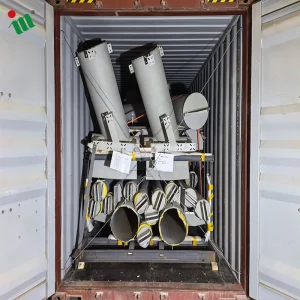
The requirements for prefabricated workspaces differ dramatically based on localized industrial environments. Standardizing structures for multiple use cases is a signature feature of NGL Home's manufacturing methodology:
International B2B procurement managers must vet suppliers against rigorous structural and safety criteria to avoid local installation delays:
As global carbon pricing becomes standard and building life cycles are audited, modular offices are integrating advanced smart technologies. We are observing structural transitions toward circular economy design. Every component—from the H-section steel frame to modular wall configurations—is designed to be disassembled, sorted, recycled, or re-deployed elsewhere. Furthermore, integrating smart environmental control systems, solar PV arrays on sloped portal frames, and IoT-enabled climate management turns modern modular offices from energy drains into highly self-sufficient building envelopes.
Technical guidance and engineering answers for B2B buyers and structural designers.
Select from multi-storey designs, expandable mobile units, and complete industrial workshop-to-office configurations.
 NGL Home