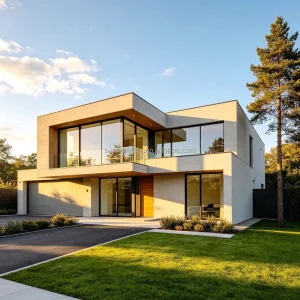
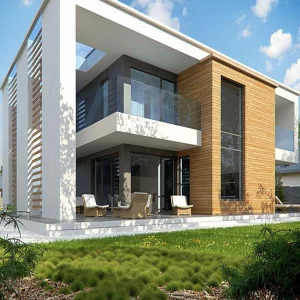
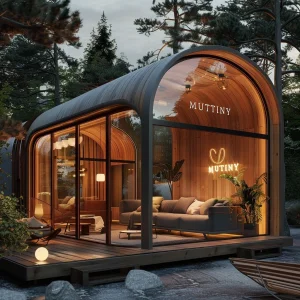
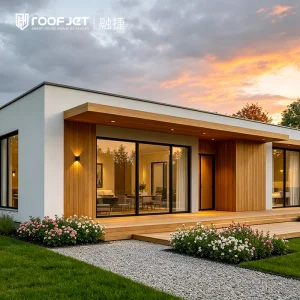
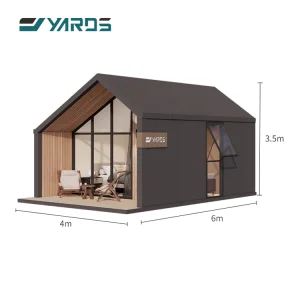
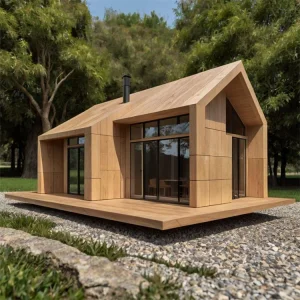
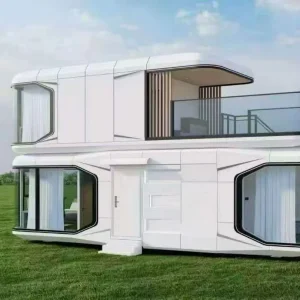
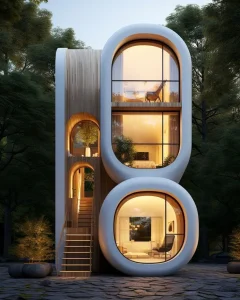
The global hospitality and eco-tourism industry is undergoing a structural paradigm shift. Traditionally, constructing a luxury resort in remote, ecologically sensitive, or rugged terrain meant dealing with years of logistical delays, environmental disruption, and skyrocketing local labor costs. Today, forward-thinking resort developers, hoteliers, and real estate investment trusts (REITs) are opting for Off-Site Construction (OSC) and Design for Manufacture and Assembly (DfMA) protocols. The global prefabricated resort housing market is projected to expand significantly, driven by the demand for low-impact, sustainable, and highly experiential tourist accommodations.
By shifting up to 90% of the construction workflow from the field to a climate-controlled factory, developers can compress project delivery timelines by 30% to 50%. The integration of smart capsule homes, modular steel-structure villas, and glamping cabins has allowed operators to establish revenue-generating assets in a fraction of the time required for wet-concrete or timber-framed stick-built structures. Additionally, modular construction aligns perfectly with strict Environmental, Social, and Governance (ESG) guidelines, reducing on-site waste, minimizing site disturbance, and ensuring exceptional thermal efficiency.
Sourcing from key industrial hubs like Guangzhou, China, gives developers access to a fully integrated ecosystem of raw steel, advanced composite panels, insulation materials, and smart home hardware, significantly lowering raw material acquisition costs.
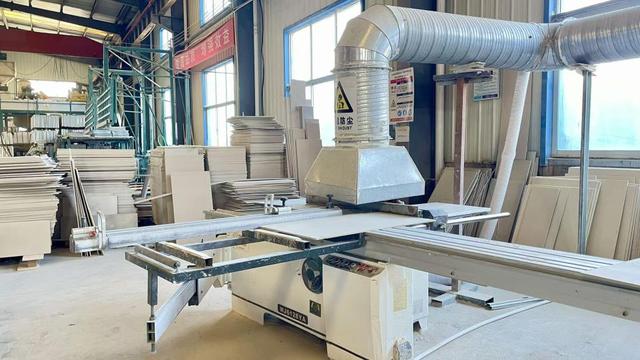
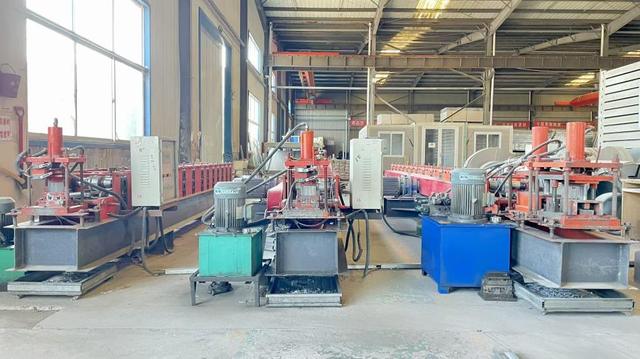
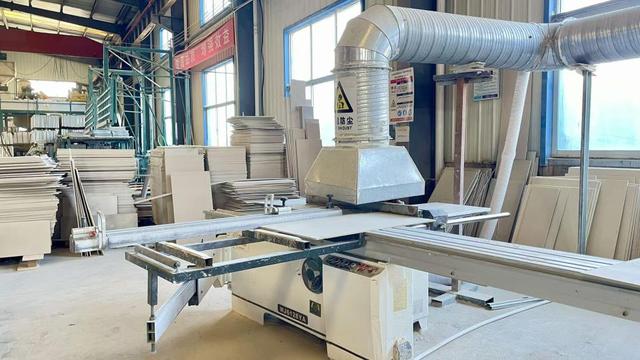
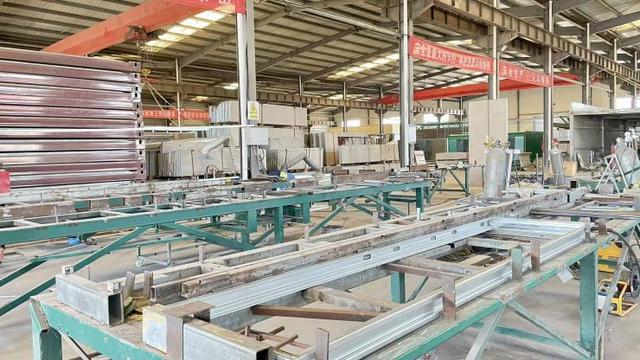
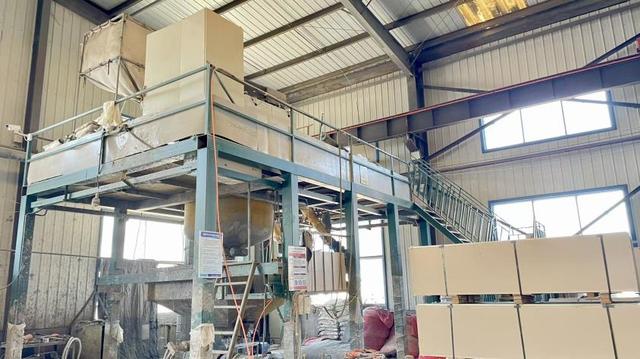
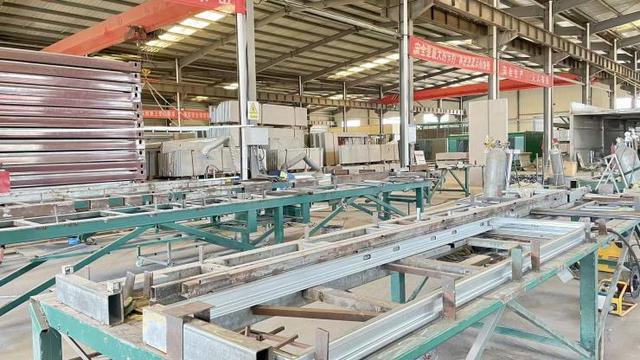
Equipped with robotic welding arms, automated light-gauge steel roll-formers, and precision laser cutters, Chinese plants manufacture structural elements with tolerances down to the millimeter, minimizing field alignment issues.
Direct proximity to global container ports like the Port of Guangzhou and Port of Shenzhen guarantees streamlined customs clearance, competitive ocean freight tariffs, and reliable ocean transit to major markets.
Modern Chinese manufacturing has evolved past simple assembly line construction. By leveraging CAD-to-CAM workflows, BIM modeling (Building Information Modeling), and advanced metallurgical processes like hot-dip galvanization with a minimum zinc coating thickness of 275 g/m² (conforming to EN 10346), Chinese factories build highly durable structures capable of withstanding severe marine environments, high seismic acceleration, and hurricane-force winds.
A resilient prefab resort house must adapt to its local micro-climate. Sourcing high-performance buildings requires analyzing their thermodynamic, structural, and chemical composition. Guangzhou NGL Home Co., Ltd. designs and manufactures structures that meet rigorous international criteria, ensuring long-term structural viability across typical environmental challenges:
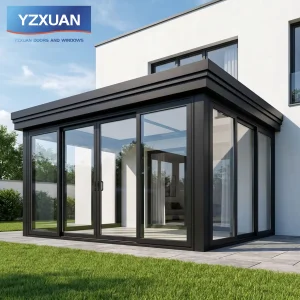
High salinity accelerates corrosion in steel structures. Premium prefab resorts feature structural frames made of Q235B or Q355B galvanized steel, coated with fluorocarbon paint or marine-grade epoxy primers. Glass panels use heavy-duty aluminum alloy frames with thermal breaks to prevent condensation and structural oxidation.
Whether deployed in sub-zero alpine conditions or high-temperature deserts, insulation is critical. Utilizing polyurethane (PU) foam cores or high-density rock wool (up to 120kg/m³) ensures low heat transmittance values (U-value < 0.24 W/m²K). Combined with double- or triple-glazed Low-E tempered glass, these units significantly lower energy consumption for heating and cooling.
Light steel frame structures offer natural elasticity, making them ideal for high-seismic regions (rated up to Seismic Fortification Intensity 8). Engineered roof trusses and specialized anchor connections allow these modular resort cabins to withstand high wind loads (up to 120 km/h or Beaufort scale 12).
Modular cabins and capsule homes are highly versatile, enabling development in locations where traditional construction is unviable:
Guangzhou NGL Home Co., Ltd. is a leading manufacturer of prefab houses, modular buildings, portable homes, and steel structure construction solutions in China. With extensive experience in the prefabricated building industry, we are committed to providing innovative, efficient, and sustainable housing systems for residential, commercial, industrial, and institutional applications worldwide.
Our product range includes prefab houses, modular homes, steel structure houses, portable cabins, flat pack container houses, expandable homes, labor camps, site offices, modular classrooms, healthcare buildings, commercial units, resort villas, and customized prefabricated structures. Designed with flexibility and durability in mind, our solutions offer fast installation, convenient transportation, reduced construction costs, and excellent long-term performance.
At NGL Home, we combine advanced manufacturing technology with rigorous quality management to ensure every project meets international standards. Our experienced engineering team offers complete OEM and ODM services, including customized layouts, structural design, thermal insulation, electrical and plumbing systems, interior decoration, exterior finishes, and project-specific modifications to satisfy diverse customer requirements.
Constructed with premium galvanized steel frames and high-quality insulation materials, our prefabricated buildings provide outstanding structural strength, weather resistance, energy efficiency, and comfortable living environments. They are widely applied in construction sites, mining camps, government housing projects, tourism resorts, educational facilities, medical centers, emergency relief programs, military camps, and permanent residential developments.
Driven by innovation, quality, and customer satisfaction, Guangzhou NGL Home continuously invests in modern production equipment and product development to deliver reliable modular construction solutions to global markets. Our products are exported to Europe, North America, South America, Southeast Asia, the Middle East, Africa, and Oceania, earning long-term trust from contractors, developers, distributors, and project owners.
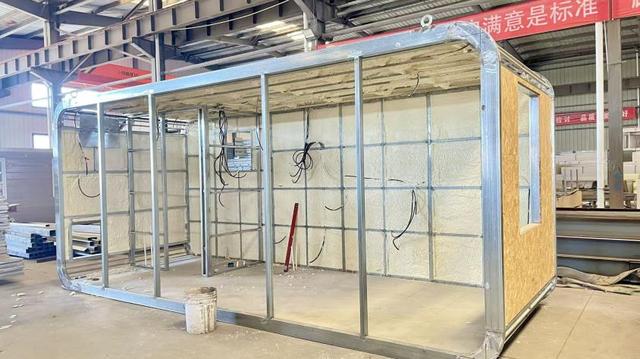
Purchasing modular resort structures internationally requires thorough planning. To ensure a smooth transition from production to on-site assembly, B2B buyers should prioritize three key areas:
1. Electrical & Plumbing Code Alignment: One of the most common issues in international procurement is mismatched utility systems. Working with Guangzhou NGL Home ensures that all integrated electrical conduits, sockets, breakers, and distribution boxes comply with local requirements, such as NEC for North America, CE/EN for Europe, or SAA/AS/NZS for Oceania. Similarly, plumbing lines and connections are optimized to match regional sizing and pressure specifications.
2. Volumetric vs. Flat-Pack Shipping: Shipping configurations directly impact total landed costs. Capsule houses and mobile homes are typically shipped as volumetric modular units, which are fully assembled, wired, and plumbed at the factory. While this increases shipping volume, it drastically reduces on-site labor requirements. Alternatively, standard modular villas and A-frames can be delivered as flat-pack container houses or light steel kits, maximizing container space and lowering freight costs.
3. Foundation Engineering: Although modular cabins are built off-site, foundation prep is essential. Depending on the terrain and soil report, developers can use concrete strip footings, slab foundations, or eco-friendly ground screw piles. A-frame houses and modular villas include detailed loading calculations to help local engineering teams design the appropriate foundation interface.
The next generation of tourist accommodations will prioritize sustainability, technology, and biophilic design. Key trends shaping the modular resort housing sector over the next five years include:
Yes. Guangzhou NGL Home designs structures to align with major international codes, including the International Building Code (IBC) for the US, Eurocodes (EN) for Europe, and AS/NZS standards for Australia and New Zealand. We collaborate with buyers to provide custom calculation reports for wind loads, snow loads, and seismic ratings prior to production.
With a hot-dip galvanized structural frame and proper maintenance, our prefab steel resort homes offer a structural design life of 50 years or more. Exterior cladding options like aluminum-manganese-magnesium alloy panels or fiber cement boards are selected for durability and weather resistance in harsh environments.
Depending on the model, houses are shipped as flat-packs or pre-assembled volumetric capsules. Volumetric space capsules arrive pre-installed with integrated wiring, plumbing, and interior fixtures. Once delivered, they are craned onto the prepared foundation and connected to utility hookups, minimizing on-site setup times.
Yes, we offer comprehensive OEM and ODM support. Customers can customize floor plans, room configurations, interior finishes, lighting layouts, and thermal insulation thickness (using options like PU foam or rock wool) to match local climatic conditions and target guest preferences.
Our light steel framing and structural steel frames are engineered to distribute loads dynamically. Standard units are designed to withstand winds up to Beaufort scale 12 (120 km/h) and resist seismic accelerations up to Intensity 8. Custom framing options can be specified for extreme weather zones.
 NGL Home