How Fast Can Prefab Homes Be Built for Global Buyers?

Time:2026-07-31 Author:Henry
0%

The rising demand for affordable housing has prompted a wave of interest in prefab homes. As urbanization accelerates, traditional construction methods struggle to keep pace. Many wonder, "how fast can a prefab house be built?" Research indicates that prefab homes can be constructed significantly faster than conventional houses. According to a report from the Modular Building Institute, prefab construction can reduce building time by up to 30%.

This efficiency is particularly appealing in regions facing housing shortages. For instance, in areas impacted by natural disasters, the ability to quickly deploy quality housing is crucial. However, while prefab homes offer speed and cost savings, concerns about quality and customization persist. Some buyers may feel that factory-made homes lack the character of traditional houses. Additionally, the sustainability of materials used in prefabrication remains a topic of debate within the construction industry.

As the market evolves, it becomes essential to address these concerns. Industry experts emphasize the need for innovation in design and construction methods. Finding a balance between speed, quality, and sustainability is key. Future research should focus on improving manufacturing processes to enhance the appeal of prefab homes.
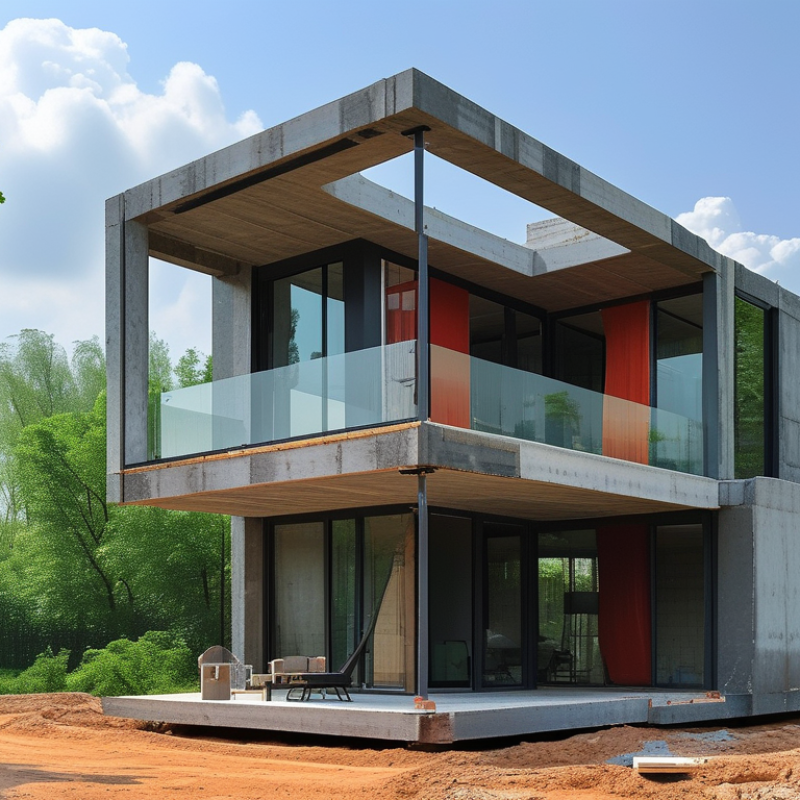
How Fast Can Prefab Homes Be Built for Global Buyers?

The Concept of Prefabricated Homes and Their Rising Popularity

Prefabricated homes are gaining traction in the global housing market. Their streamlined construction processes offer a faster alternative to traditional building methods. By manufacturing components off-site, these homes can be assembled quickly, reducing construction time significantly. This approach appeals to those seeking efficient, cost-effective housing solutions.

The popularity of prefab homes stems from their flexibility. Buyers can choose from various designs to meet their specific needs. Some may prefer compact units for urban living, while others seek spacious family homes. However, the quality of materials and craftsmanship can vary widely. This inconsistency raises concerns for potential homeowners about durability and long-term value.

As demand grows, the prefab industry faces challenges. Not every supplier maintains high standards, leading to potential buyer disappointment. Additionally, zoning regulations in different regions can complicate installation. Buyers must navigate these complexities to ensure they make informed decisions. They should investigate local regulations and consult experts, as this knowledge can provide peace of mind in the purchasing process.

How Fast Can Prefab Homes Be Built for Global Buyers?

Dimension Value
Average Construction Time 1 to 3 Months
Cost Range per Square Foot $100 - $200
Labor Requirements 7 - 15 Workers
Sustainability Rating LEED Certified
Average Delivery Time 2 to 6 Weeks
Customization Options High
Common Materials Used Wood, Steel, Concrete

Key Factors Influencing the Construction Speed of Prefab Homes

The construction speed of prefab homes largely hinges on several key factors. One of these is the manufacturing process. According to a report from the Modular Building Institute, factory-built homes can be constructed up to 50% faster than traditional on-site methods. This rapid assembly allows for quicker relocation of resources. However, potential delays in supply chains can undermine this advantage, causing uncertainty in project timelines.

Another significant factor is design complexity. Homes with intricate designs or custom features typically require more time and resources. Research suggests that simple designs can reduce construction time by up to 30%. Additionally, local building codes and regulations play a crucial role. Compliance with various standards can slow down the overall construction process. In regions with stringent regulations, accessing permits may become a bottleneck, impacting project delivery schedules.

Weather conditions also affect the speed of construction. Extreme weather can lead to delays, especially in regions with harsh climates. Data shows that projects in temperate zones complete 15% faster on average than those in extreme weather areas. Despite these challenges, the prefab home industry continues to evolve, leveraging innovations to enhance efficiency and reduce construction times.

Comparative Analysis: Prefab Homes vs. Traditional Construction Methods

Prefab homes have gained traction for their speed and efficiency compared to traditional construction methods. The National Association of Home Builders (NAHB) indicates that prefab homes can reduce building time by up to 50%. This quicker turnaround is particularly appealing to buyers needing immediate housing solutions. Additionally, prefab methods often provide better quality control due to factory conditions, which can lead to fewer defects.

However, there are downsides. Some buyers may feel that prefab homes lack customization options. A report from the McKinsey Global Institute highlights that only 27% of prefab buyers expressed satisfaction with the customization opportunities. Traditional construction allows for more tailored designs, meeting individual aesthetic preferences and functional needs. This discrepancy raises questions about the balance between speed and personalization in homebuilding.

Tips: When considering prefab homes, weigh the importance of speed against your desire for customization. Consider visiting model homes to evaluate the quality firsthand. Also, explore local zoning laws, as they could influence your options. Preferences in energy efficiency and sustainability should not be overlooked, though prefab options often prioritize these factors. Evaluate all aspects before making a decision, and keep in mind the potential for limited modifications.

Global Supply Chain Challenges Impacting Prefab Home Delivery

The global supply chain for prefab homes faces significant challenges. Delays in material sourcing and transportation affect delivery times. According to a recent report, shipping costs have increased by over 300% due to supply chain disruptions. This has strained many prefab home companies that rely on timely materials.

Manufacturers struggle with shortages in essential components like steel and lumber. In the United States, the National Association of Home Builders noted that 80% of builders have reported increased material prices. These rising costs can directly impact consumers’ affordability. Moreover, transportation bottlenecks add additional weeks to delivery timelines.

As the demand for affordable housing grows, the prefab industry must adapt. Remote sourcing and local partnerships could alleviate some pressures. However, finding a balance remains challenging. The complexity of global logistics means that perfect solutions are elusive. Companies must reflect on their strategies as they navigate these unpredictable waters.

Prefab Homes Construction Speed Analysis

This chart displays the average construction time for prefab homes in different regions, highlighting the impact of global supply chain challenges on delivery times.

Future Trends in Prefab Home Construction for International Markets

Prefab homes are gaining traction in international markets due to their speed and efficiency. Construction methods have evolved, allowing for faster assembly times. In many cases, these homes can be built in a matter of weeks. This is a game-changer for buyers looking for quick solutions in a global housing crisis.

Investors should consider regional preferences. A design that appeals to one market might not resonate in another. Cultural nuances play a significant role in the acceptance of prefab homes. Conducting thorough market research is essential before proceeding.

Tips for buyers: Always assess local regulations. Not all countries welcome prefab construction equally. Ensure compliance to avoid future hurdles. Additionally, examine the durability of materials. Not all prefabricated components are created equal. Some may lack the robustness required for specific climates. Relying on reputable suppliers can mitigate such risks.

FAQS

: What are the current challenges faced by the prefab home industry?

: The prefab home industry struggles with supply chain delays and rising material costs, affecting delivery times.

How have shipping costs changed recently?

Shipping costs have increased over 300%, putting financial pressure on prefab home companies.

What materials are in short supply for prefab homes?

Essential components like steel and lumber are currently experiencing significant shortages.

How do rising material prices affect affordability?

Increased material prices can directly reduce affordability for consumers seeking prefab homes.

What can manufacturers do to address supply chain issues?

Manufacturers may explore remote sourcing and local partnerships, but finding balance is difficult.

How fast can prefab homes be constructed?

Many prefab homes can be assembled in just weeks, providing quick housing solutions.

Why is market research important for prefab investors?

Understanding regional preferences and cultural nuances is crucial for the acceptance of prefab homes.

What should buyers check before purchasing prefab homes?

Buyers must assess local regulations and the durability of materials for their specific climates.

Are all prefabricated components of equal quality?

No, some components may not be robust enough for certain climates, making supplier reliability important.

What reflection might companies need to consider?

Companies should rethink their strategies as they adapt to ongoing supply chain challenges.

Conclusion

The rising popularity of prefabricated homes can be attributed to their efficiency and adaptability in meeting global housing demands. As we explore how fast can a prefab house be built, several key factors come into play, including advanced manufacturing techniques, logistical considerations, and design innovations. Prefab homes can often be constructed in a fraction of the time compared to traditional methods, offering significant time savings.

However, global supply chain challenges may hinder delivery timelines, impacting the overall speed of construction. A comparative analysis between prefab homes and traditional building reveals that while both have their merits, the former presents unique advantages in terms of time efficiency. Looking ahead, emerging trends in prefab construction suggest further improvements in both assembly speed and architectural versatility, catering to international buyers seeking quick and sustainable housing solutions.

Henry

Henry

Henry is a dedicated marketing professional with a profound expertise in the company's offerings. With years of experience in the industry, he possesses an impressive understanding of the market dynamics and consumer behaviors that drive success. Henry is committed to sharing his insights through......