Can Prefab Houses Be Customized for Your Needs?

Time:2026-07-26 Author:Sophia
0%

Prefab houses are gaining traction for their affordability and efficiency. Many wonder, "can prefab houses be customized for your needs?" This question is essential for those considering a prefab home. Customization often hinges on personal style, space requirements, and functionality.

Customization options vary significantly among manufacturers. Some companies offer modular designs that allow you to tweak layouts and finishes. Others provide limited choices, which may not align with individual preferences. Thus, potential homeowners must research various options to find the right fit. It’s important to be realistic about what changes can be made within budget constraints.

While the idea of a fully tailored prefab house is enticing, challenges remain. Construction timelines may fluctuate with customization requests. Additionally, some materials may not be available due to supply chain issues. Therefore, homeowners should thoroughly discuss their needs with manufacturers. This conversation could reveal creative solutions or limitations that may not have been initially apparent.
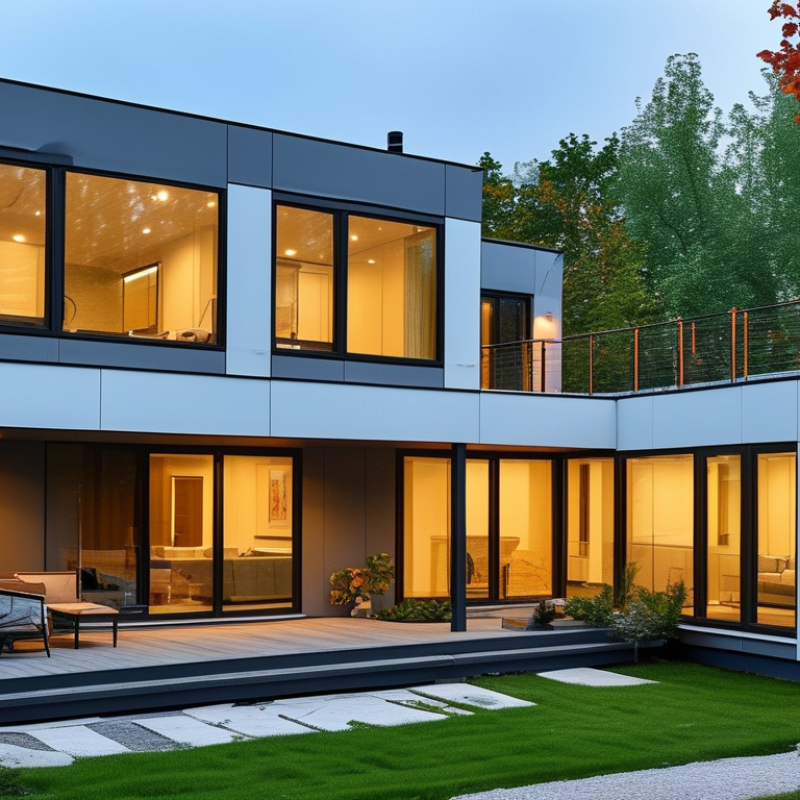
Can Prefab Houses Be Customized for Your Needs?

Can Prefab Houses Be Customized for Your Needs?

Prefab houses are becoming increasingly popular due to their efficiency and affordability. Many buyers wonder, can these homes be customized for their specific needs? The answer is yes, but there are some important considerations.

Customization options can vary greatly. Many manufacturers offer a range of floor plans, but you might be limited in terms of materials and layouts. For instance, you could select different finishes or add a garage, but structural changes may be difficult. It’s crucial to discuss your vision with the builder early on. Clear communication can help avoid pitfalls later.

Some prospective homeowners face challenges in aligning their expectations with what prefab builds offer. It's often surprising how quickly costs can escalate with added features. A simple change can multiply expenses. Additionally, the process may take longer than expected. Customization can make the home uniquely yours, but it requires careful planning and flexibility.

Customization Options for Prefab Houses

Understanding the Prefabrication Process in Construction

Prefabricated houses, or prefab homes, have gained popularity due to their innovative construction methods. The prefabrication process involves creating sections of a house in a factory setting before transporting them to the building site. This can streamline the construction timeline significantly. However, understanding this process is crucial for homeowners considering customization.

Customization options in prefab homes are varied, but not limitless. Many designs allow for alterations in layout, size, and features. Homeowners often seek eco-friendly materials or smart home technology. However, some modifications can impact delivery time and costs. It's essential to communicate preferences early in the design phase to navigate these challenges effectively. Homeowners might also need to adjust their expectations when it comes to customizing floor plans or structural elements.

Despite the advantages, some aspects of prefabrication might lead to disappointment. Homeowners may find that not all features are feasible within the prefab framework. Moreover, local building codes can restrict certain designs. This requires careful planning and consultation with experts. Addressing these potential issues proactively can ensure a smoother experience in creating the home of your dreams.

Key Benefits of Customizing Prefab Homes for Individual Buyers

Customization in prefab housing offers a unique blend of flexibility and personalization. Buyers can tailor their homes to reflect individual tastes and needs. This versatility allows for adjustments in layout, design, and functionality. For instance, one might prefer an open-concept living space to foster a sense of community, while another could choose multiple smaller rooms for privacy. These choices enhance the living experience, making the house feel like a true home.

Moreover, customizing a prefab home can improve energy efficiency. By selecting specific materials and designs, homeowners can optimize insulation and reduce utility costs. This aspect might require careful research and consideration, especially for those new to home building. It’s crucial to weigh the benefits against potential challenges, such as budget constraints and construction timelines. Attention to detail during customization can lead to significant long-term savings. Ultimately, the process demands both creativity and practical planning.

Can Prefab Houses Be Customized for Your Needs? - Key Benefits of Customizing Prefab Homes for Individual Buyers

Customization Feature Description Benefit
Floor Plan Choose from various layouts or design your own. Maximizes space utilization according to personal preferences.
Exterior Finish Select materials and colors for the outer structure. Enhances curb appeal and personal style.
Interior Design Customize flooring, cabinetry, and fixtures. Creates a personalized living environment.
Energy Efficiency Incorporate green technologies and insulation options. Reduces utility costs and environmental impact.
Size and Dimensions Choose the overall size and room dimensions. Adapts to specific lot sizes and family needs.

Market Trends: The Rise of Customized Prefab Housing Options

The demand for customized prefab housing is on the rise. According to recent market research, 65% of consumers prefer homes tailored to their specific needs. This trend reflects a shift towards personalization in housing. People are increasingly seeking styles that resonate with their lifestyle. Many desire homes that incorporate eco-friendly materials and innovative designs.

Customization options vary widely. Homebuyers can choose layouts, finishes, and even smart home technology. Reports show that 70% of buyers are willing to invest more for these enhancements. This willingness to pay highlights a broader trend in consumer preferences. However, not all customization is straightforward. Some companies face challenges in balancing bespoke requests with production efficiency.

The prefab industry is evolving. With advancements in technology, customization is becoming more accessible. Yet, limited suppliers may pose risks to timely delivery. Creating a home should be a fulfilling experience. Finding the right builder with flexibility is crucial. With careful research, buyers can avoid potential pitfalls in this new landscape.

Case Studies: Successful Customization of Prefab Properties

Prefab houses have gained popularity for their efficiency and affordability. However, the customization of these homes is often overlooked. Recent studies show that about 70% of potential homeowners seek tailored features. Case studies highlight successful customization in various projects, demonstrating the flexibility of prefab construction.

In one instance, a family in rural areas opted for a prefab home with an open layout to accommodate their growing children. They included larger windows for natural light and a hybrid heating system to improve energy efficiency. These enhancements proved beneficial, increasing their home's value by around 15% within just a year. Another project involved a couple who prioritized sustainability. They customized their prefab with recycled materials and installed solar panels, reducing their carbon footprint significantly.

Despite the apparent advantages, not all customization efforts yield the desired results. Some homeowners faced challenges with architectural limitations or higher costs than anticipated. Understanding these potential pitfalls is crucial for making informed decisions. Customization is not a one-size-fits-all solution, and homeowners must balance their vision with practical constraints.

Cost Analysis: Financial Implications of Customizing Prefab Homes

Customizing prefab homes can be an exciting venture, but it often comes with hidden costs. Market reports indicate that homeowners can expect to pay an additional 10% to 30% for customization options like layout changes or material upgrades. The focus should be on what is essential versus what is merely desirable. Customization adds complexity, which can lead to longer build times and increased labor costs.

Consider the cost of designs tailored to your family's needs. A survey from the National Association of Home Builders found that 75% of homebuyers seek personalized features. However, custom features, such as energy-efficient appliances or unique floor plans, can significantly impact budgets. Homeowners might face a premium of $5,000 or more just for these enhancements.

Budget constraints are a critical factor. Some may underestimate the full scope of expenses when customizing a prefab house. Additionally, while a customized home can increase value, it may not align with market expectations. It’s essential to strike a balance between personal preferences and potential resale value. Keeping tight control over what you choose to customize can lead to both satisfaction and financial sense.

FAQS

: What is prefabrication in construction?

: Prefabrication involves creating house sections in a factory before transporting them to the building site.

Can homeowners customize their prefab homes?

Yes, homeowners can alter layouts, sizes, and features, but modifications may affect cost and delivery time.

Are there limitations to customization in prefab homes?

Yes, not all features are feasible, and local building codes may restrict certain designs.

What should homeowners do to ensure a smooth prefabrication experience?

Communicate preferences early in the design phase and consult with experts to address potential issues.

Why is there a growing demand for customized prefab homes?

Many consumers prefer homes that reflect their lifestyle, with eco-friendly materials and smart technology.

How much are buyers willing to invest in custom features?

Reports indicate that about 70% of buyers are willing to spend more for tailored enhancements.

What are some examples of successful prefab home customization?

One family improved energy efficiency with larger windows and hybrid heating; a couple used recycled materials and solar panels.

What challenges might homeowners face during customization?

Some may confront architectural limitations or discover that costs exceed initial estimates.

How can buyers navigate the potential risks in the prefab market?

Conduct thorough research to find builders who offer flexibility and have a good reputation.

Is customization a perfect solution for every homeowner?

No, homeowners need to balance their dreams with practical constraints, as it is not one-size-fits-all.

Conclusion

The article titled "Can Prefab Houses Be Customized for Your Needs?" explores the increasing demand for personalized solutions in the prefab housing market. It begins with an overview of the prefabrication process in construction, emphasizing how it allows for efficient and scalable building methods. The key benefits of customizing prefab homes are highlighted, showcasing how this flexibility meets the unique needs of individual buyers.

Market trends indicate a significant rise in customized prefab options, reflecting a shift towards more tailored living environments. Through various case studies, the article illustrates successful examples of prefab property customization, reinforcing the idea that can prefab houses be customized to suit diverse preferences. Finally, a cost analysis provides insights into the financial implications of these customizations, helping potential buyers make informed decisions in this evolving sector.

Sophia

Sophia

Sophia is a dedicated marketing professional with an exceptional depth of knowledge about her company's products and services. With a keen understanding of market trends and customer needs, she crafts insightful blog posts that not only inform but also engage readers, enriching the company’s online......