As the global housing market evolves, buyers are questioning, "are prefab houses worth it?" Industry expert Dr. Sarah Mitchell, a renowned architect, notes, "Prefab homes can offer both quality and affordability if the right choices are made."
In 2026, the demand for sustainable, cost-effective housing will likely increase. Prefab houses are seen as a viable solution. They often promise quicker construction times and reduced environmental impact. Yet, potential buyers must carefully consider various factors before investing. Quality may varyamong manufacturers, and not all projects will meet local building codes.
Moreover, location plays a crucial role. Not every area is suitable for prefab construction. It's essential to research community preferences and regulations. While many are excited about innovative housing, opinions remain divided. We must question not only the benefits of prefab homes but also their limitations. Addressing these uncertainties will help buyers make informed decisions.
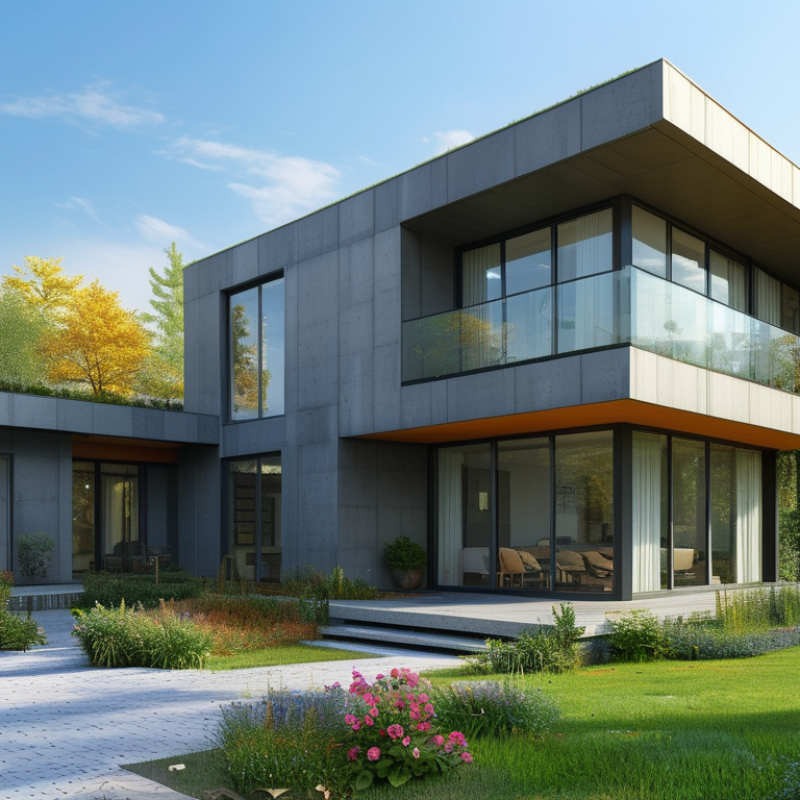
The trend of prefabricated housing is gaining momentum globally. According to a report from McKinsey, the prefabricated housing market is projected to grow by 60% by 2026. This growth stems from increasing demand for affordable housing solutions and environmentally friendly construction methods. Many countries are seeking quicker builds without compromising quality. This shift reflects a broader recognition of sustainability as a key factor in housing.
However, there are challenges to consider. The quality of materials can vary significantly among suppliers. Some buyers report issues with longevity and structural integrity in certain prefabricated homes. Importantly, customization options can be limited. Buyers may find that their specific needs are not fully addressed, leading to dissatisfaction.
The rising interest in modular designs also raises regulatory questions. Local building codes can complicate approvals, causing project delays. Navigating these regulations requires careful planning and expertise. While prefabricated homes offer potential benefits, buyers must approach with caution and thorough research. Understanding both the advantages and pitfalls is essential for making an informed decision.
: Increasing demand for affordable housing and quicker builds is fueling growth. Many want environmentally friendly construction methods.
Prefabricated homes usually generate less waste. Some are designed for better energy efficiency with sustainable materials.
Quality varies significantly among suppliers. Issues with longevity and structural integrity have been reported by some buyers.
Customization options can be limited. Specific needs may not be fully addressed, leading to potential dissatisfaction.
Local building codes can complicate approvals. Navigating these regulations requires careful planning and expertise.
They can lower the carbon footprint and promote sustainable living but vary in their commitment to genuine sustainability.
Yes, investigating materials and energy certifications is essential. Not all homes prioritize sustainability over cost or appearance.
Prefab homes offer benefits but require careful evaluation. Buyers must be diligent in researching options before making decisions.
Yes, the market is projected to grow annually. Affordable housing demand is increasing, making prefab a viable alternative.
Genuine sustainability should be prioritized over aesthetics or cost. Careful evaluation ensures informed purchasing decisions.
In the context of global housing trends, the question of "are prefab houses worth it" in 2026 remains a pivotal consideration for prospective buyers. Prefabricated housing is gaining traction due to its cost efficiency compared to traditional construction methods, making it an attractive option for budget-conscious consumers. Moreover, the sustainability benefits of prefab homes, including reduced waste and energy consumption during construction, resonate well with the increasing demand for eco-friendly living solutions.
However, the adoption of prefab housing is not without its challenges. Concerns regarding customization, quality control, and local regulations may impact market demand in various regions. As the industry evolves, a thorough market demand analysis is essential to determine the long-term viability and desirability of prefab houses among global buyers. In summary, while prefab homes present numerous advantages, ongoing evaluation of their challenges will ultimately inform the answer to whether they are worth it in 2026.

 NGL Home