Top 10 Tips for Choosing a Prefab House Manufacturer

Time:2026-09-24 Author:Ethan
0%

Choosing a prefab house manufacturer is more than comparing prices or browsing attractive model photos. The right partner should explain how design, materials, production, delivery, and installation fit together. Ask for clear specifications, realistic timelines, and examples of completed projects similar to yours. Details matter. A wall assembly that suits a mild climate may not perform the same way in a colder, wetter region.

If you are researching how to choose a prefab house manufacturer, start with evidence you can verify. Review the company’s track record, visit a factory or finished home if possible, and speak with previous clients. Request itemized quotes, written warranty terms, and a clear list of what the price excludes. Check how the manufacturer handles design changes, transport access, site preparation, and communication after delivery. These questions can reveal gaps that glossy brochures may hide.

The top 10 tips in this guide offer a practical framework for comparing manufacturers without treating any single claim as proof. Look closely at construction quality, customization options, project coordination, and the support available when something does not go as planned. Some decisions may still feel uncertain. That is normal. A careful choice is not necessarily the cheapest or most impressive one; it is the partner whose promises, documents, and finished work consistently match.
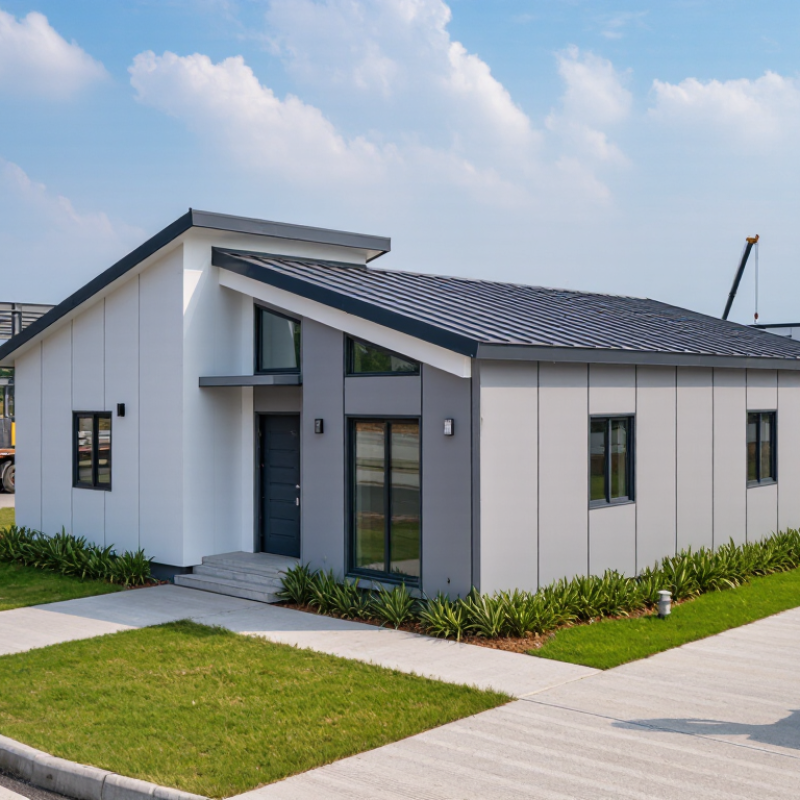
Top 10 Tips for Choosing a Prefab House Manufacturer

Understanding Prefab House Manufacturers and Their Services

A prefab house manufacturer does more than assemble walls in a factory. Its services may include design adjustments, structural engineering, material selection, transport planning, and on-site installation. The exact scope varies. Ask for a written list of what is included, especially foundation work, utility connections, and interior finishes. A home shown in a showroom may not include the same features in its quoted price.

Look closely at how the manufacturer manages quality. Ask how materials are stored, how dimensions are checked, and whether completed modules are inspected before delivery. Request drawings, specifications, and a sample schedule; vague promises are difficult to compare. Check who handles permits and site preparation, since these tasks may be assigned to separate contractors. That detail matters.

A useful conversation should cover delivery access, crane requirements, weather protection, and what happens if a component arrives damaged. Ask for references from projects with similar size and climate, then speak with owners about communication and after-sales support. Read warranty terms carefully, including response times and exclusions. A polished brochure tells only part of the story. I would still leave room for uncertainty: site conditions can change costs, and even a careful schedule can slip. A reliable manufacturer explains those limits before you sign, not after a truck is waiting at the gate.

Defining Your Project Needs, Budget, and Building Requirements

Before comparing prefab house manufacturers, write down what the home must do. A compact cabin for weekend use has different needs from a year-round family home. Note the number of bedrooms, accessibility needs, storage, and likely future changes. Measure the building site, too. A narrow driveway or steep slope can affect delivery and installation.

Be specific. “More space” is not a usable requirement.

Set a budget that includes more than the advertised house price. Allow for site preparation, foundation work, utility connections, transport, permits, interior finishes, and contingency funds. Ask manufacturers which items their quotes exclude, and request costs in writing. Then compare the same scope of work, not just the headline price. Check your local climate and building requirements before choosing materials, insulation levels, roof design, or windows. A sunny render may look convincing, but it cannot show how a room feels on a cold, damp morning.

Keep a simple project brief with measurements, target costs, preferred materials, and questions for each manufacturer. Share it consistently. This makes proposals easier to assess and exposes missing details early. I have seen budgets become unreliable when owners treated preliminary estimates as fixed prices. They often change. Leave room to revise your plans when site conditions or quotes reveal something unexpected.

Top 10 Tips for Choosing a Prefab House Manufacturer

Defining Your Project Needs, Budget, and Building Requirements

This planning benchmark illustrates how a typical prefab house budget may be distributed across major project requirements. Actual percentages vary by location, design complexity, site conditions, transportation distance, utility connections, permits, and the manufacturer’s scope of work. Use these categories when comparing quotations and confirming what is included.

Assessing Experience, Credentials, Materials, and Construction Standards

Choosing a prefab house manufacturer requires more than comparing floor plans and prices. Experience should be measurable, not simply advertised. Ask for completed projects, client references, factory records, and evidence of handling similar climates. A polished showroom is not proof. Ask for evidence.

Credentials matter because factory production still requires disciplined site coordination. Check business registration, professional licenses, insurance, worker training, and independent inspection procedures. Confirm that drawings follow the applicable building code and recognized standards, such as ICC, ASTM, or AISI requirements. McKinsey & Company reported in 2019 that modular construction can reduce project schedules by 20–50% and lower costs by up to 20%. Those gains depend on reliable planning, not optimistic promises. Delays can still occur when transport, foundations, or permits are poorly managed.

Materials deserve physical verification. Request product data for structural timber or steel, insulation, roofing membranes, windows, and moisture barriers. Look for fire ratings, thermal values, durability testing, and traceable certificates. The U.S. Department of Energy’s Building America research emphasizes continuous air barriers and insulation as important factors in reducing building energy loss. Visit the factory if possible. Observe covered storage, moisture control, connection details, and quality checks between production stages. I would also inspect a finished home after heavy rain, not only during a staged tour. No checklist catches every defect, but clear records, independent inspections, and honest answers make reliability easier to judge.

Top 10 Tips for Choosing a Prefab House Manufacturer - Assessing Experience, Credentials, Materials, and Construction Standards
# Assessment Area What to Check Useful Evidence or Questions Why It Matters
1 Relevant experience Look for completed projects similar in size, design, climate, and intended use to your planned home. Ask for dated project examples, floor plans, photographs, and references you can contact. Experience with comparable projects can help reveal whether the manufacturer understands the practical requirements involved.
2 Licenses and credentials Confirm which licenses, registrations, and professional credentials are required for the manufacturer and the work in your location. Check credentials with the relevant licensing authority and verify that names, scope, and validity dates match the proposed work. Requirements vary by jurisdiction; verification helps establish whether the relevant parties are authorized to perform their roles.
3 Building-code compliance Clarify which building codes and local requirements apply to the design, factory-built components, and completed home. Request a written explanation of the approval process, inspections, engineering documents, and party responsible for each submission. Factory production does not automatically replace site-specific permits, inspections, or local code requirements.
4 Materials and specifications Review written specifications for framing, sheathing, insulation, cladding, roofing, windows, and interior finishes. Ask for product data sheets, stated grades or ratings, and confirmation that proposed substitutions require your written approval. Clear specifications make it easier to compare proposals and identify changes that could affect performance or cost.
5 Structural design Check that the design accounts for applicable wind, snow, seismic, and other site-specific structural loads. Ask who prepares or reviews the structural calculations and how the design is adapted to your site and local requirements. Structural demands differ by location, so a standard plan may need project-specific review or modification.
6 Energy and moisture performance Compare the stated insulation values, window performance, air-sealing approach, ventilation provisions, and moisture-control details. Request relevant specifications and details for wall, roof, and floor assemblies; confirm applicable local energy-code requirements. These features influence comfort, energy use, and the management of condensation and moisture.
7 Factory quality control Understand how components are checked during production and how defects or nonconforming work are recorded and corrected. Ask whether documented inspection checklists are used, how issues are resolved, and whether factory visits are permitted. Consistent checks can help identify production issues before components are shipped to the site.
8 Scope, price, and exclusions Separate factory supply from delivery, foundations, site work, utility connections, assembly, finishes, and permits. Request an itemized quote with assumptions, exclusions, allowance amounts, payment milestones, and a process for changes. A clear scope helps prevent misunderstandings about what the quoted price does and does not include.
9 Transport and installation Confirm who coordinates delivery, lifting equipment, access, assembly, weather protection, and site safety. Ask for a delivery and installation plan, site-readiness requirements, schedule assumptions, and contingency arrangements. Factory-built sections must be transported and assembled under conditions suited to the site and the components.
10 Warranty and after-sales service Read the warranty terms for coverage, duration, exclusions, claim procedures, and responsibility for repairs. Request the written warranty before signing and ask how service requests are logged, assessed, and handled after handover. Written terms clarify the remedy process if covered issues arise after completion.

Comparing Designs, Customization Options, Pricing, and Contract Terms

Compare the design drawings, not just the showroom images. Ask for floor plans, elevations, insulation details, and a written list of standard finishes. A wide window may look impressive, but check its orientation, shading, and effect on privacy. Confirm which changes are structural and which are simple finish choices. Small details matter.

Tip: Request two comparable quotes using the same room sizes, finishes, delivery distance, and site assumptions. The National Association of Home Builders’ 2024 Cost of Construction Survey reported that construction costs represented 64.4% of the average new-home sale price. That figure is not a prefab-house price guide, but it shows why you should separate factory work from land, foundation, utility connections, transport, and installation. Ask what could trigger extra charges. Get the answer in writing.

Customization has limits. Ask how late you can move a doorway or change a cabinet, and whether revisions affect production dates. Then read the contract line by line: payment milestones, delivery tolerances, warranty coverage, inspection procedures, and remedies for delays should be clear. Have an independent building professional review technical specifications where possible. I once overlooked a site-preparation allowance in a quote; it made the “cheaper” option less convincing. Not every comparison is neat.

Verifying Timelines, Warranties, Delivery Plans, and Customer Support

A prefab house schedule should be more than a hopeful date on a sales sheet. Ask for a written timeline covering design approval, factory production, transport, and on-site assembly. Request typical ranges, not just the fastest example. Delays can happen when plans change or weather affects site work, so clarify how updates will reach you and who will explain a revised date. Get it in writing.

Read the warranty before paying a deposit. Check what it covers, how long coverage lasts, and whether labor and replacement parts are included. Ask how to report a problem and what response time to expect. A vague promise of “full support” is hard to rely on when a door arrives damaged. Keep copies of the warranty, approved drawings, and payment terms together.

Delivery needs its own plan. Confirm truck access, unloading equipment, storage needs, and who pays if a delivery attempt fails. A narrow driveway or soft ground can turn a simple drop-off into extra work. Ask for a contact person during delivery and after installation. Then test the support process with a practical question before signing. Their answer may be imperfect; notice whether they follow up with clear details.

FAQS

What should I define before contacting prefab home manufacturers?

List bedrooms, storage, accessibility needs, and possible future changes. Measure the site and driveway. “More space” is too vague.

What costs belong in my project budget?

Include the home, site preparation, foundation, utilities, transport, permits, finishes, and contingency funds. Ask which items each quote excludes. Get costs in writing.

How can I check a manufacturer’s experience?

Request completed project examples, client references, factory records, and experience with similar climates. Ask for proof. A polished showroom alone proves little.

What credentials and construction checks should I review?

Verify registration, licenses, insurance, worker training, and independent inspections. Confirm drawings follow applicable codes and recognized standards. I would check this twice.

Which material details deserve close attention?

Request specifications for framing, insulation, roofing, windows, and moisture barriers. Check fire ratings, thermal values, and durability records. Look at storage and quality checks during a factory visit.

How do I compare designs and quotes fairly?

Compare drawings, room sizes, finishes, delivery distance, and site assumptions. Separate factory work from foundations, utilities, transport, and installation. Small details matter.

What should I ask about customization?

Ask when you can move a doorway or change a cabinet. Confirm whether revisions affect production dates or add charges. Some choices have limits.

What contract terms should I review before signing?

Check payment milestones, delivery tolerances, warranty coverage, inspections, and delay remedies. Have an independent building professional review technical details. A low quote can still leave gaps.

Conclusion

Choosing the right prefab house manufacturer starts with understanding the services each provider offers and defining your project’s needs, budget, site conditions, and building requirements. These details help you compare suitable options and identify a manufacturer whose capabilities align with your goals. To assess how to choose a prefab house manufacturer, review its relevant experience, credentials, materials, and construction standards, and ask how quality is checked throughout production and installation.

Compare available designs, customization options, itemized pricing, and contract terms before making a decision. Clarify what is included, how changes are handled, and whether additional costs may arise. Also confirm the production and delivery schedule, site preparation responsibilities, warranty coverage, and the support available after installation. A careful comparison of these practical factors can help you select a manufacturer that offers a clear process, dependable communication, and a home suited to your project.

Ethan

Ethan

Ethan is a seasoned marketing professional with a deep expertise in our company's innovative product line. With a passion for sharing knowledge and insights, he takes the lead in regularly updating our corporate blog, where he explores industry trends, product features, and effective marketing......