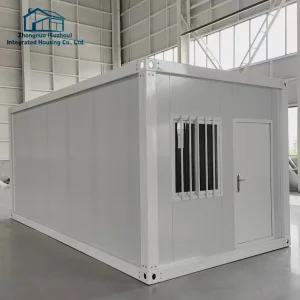
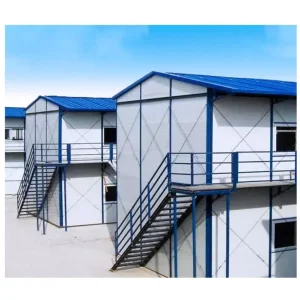
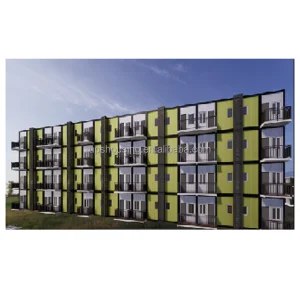
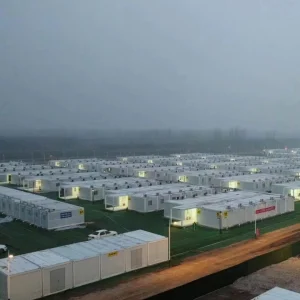
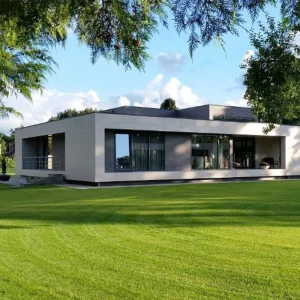
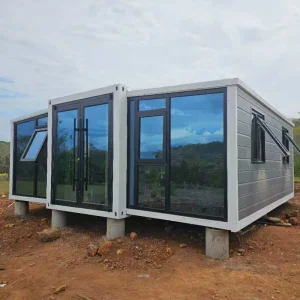
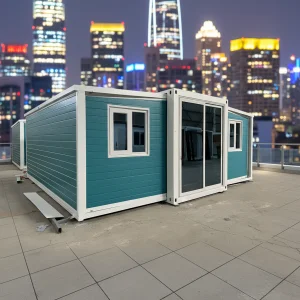
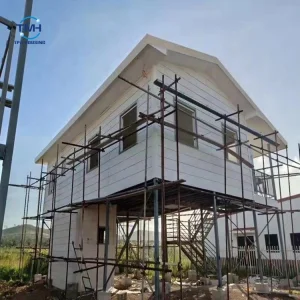
Explore our cutting-edge flat pack, expandable, and customized prefabricated building models designed for fast deployment.
The global housing landscape is undergoing a critical transformation. Faced with rapid urbanization, surging land valuations, and an escalating climate crisis, the public and private sectors are experiencing an unprecedented demand for affordable housing. Traditional brick-and-mortar construction mechanisms are increasingly unfeasible because of labor shortages, material supply shocks, and lengthy site preparation times. Modular, pre-engineered building systems manufactured under strict factory conditions offer a highly scalable alternative.
For multinational corporations, engineering procurement firms (EPCs), mining operators, municipal authorities, and humanitarian organizations, the selection of an affordable housing manufacturer is no longer merely a transaction of physical assets. It has become a strategic decision involving complex supply chain dynamics, engineering compliance, thermal efficiency calculations, and lifecycle sustainability. Structural frames must be optimized to withstand high seismic loads and extreme wind events while minimizing freight volumes through flat-pack or expandable configurations.
SEO Insight: Modern search intent for global procurement relies heavily on engineering-level data, strict compliance protocols, and verifiable materials. Guangzhou NGL Home Co., Ltd. resolves these challenges through certified, high-grade structural designs engineered for export.
Guangzhou NGL Home Co., Ltd. stands at the forefront of the prefabricated building industry in China. As a premier manufacturer of prefab houses, modular buildings, portable homes, and integrated steel structure solutions, the company bridges the gap between cost-effective Chinese supply chains and rigorous international building codes.
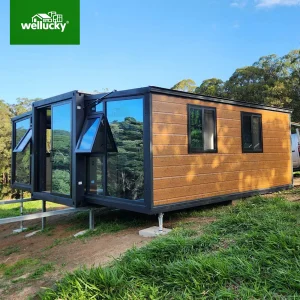
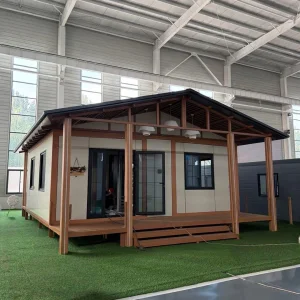
With an extensive production footprint and advanced engineering technology, NGL Home designs, structures, and delivers customized prefabricated assemblies. The comprehensive portfolio encompasses modular residential homes, multi-story structural steel worker dormitories, commercial site offices, light-gauge steel villas, specialized medical centers, disaster relief clinics, and innovative expandable container shelters. Each design is optimized for rapid onsite assembly, low maintenance, and severe weather resilience.
Equipped with state-of-the-art CNC profiling, continuous automated sandwich panel manufacturing lines, and robotic welding stations, NGL Home guarantees exceptional structural tolerances. Our engineering department provides complete OEM and ODM services. From customized architectural layouts, electrical and plumbing integration conforming to local standards, to specialized insulation cores (polyurethane, rock wool, and EPS), NGL Home translates conceptual project needs into deployable structural assets.
Utilizing high-grade hot-dip galvanized steel frames combined with multi-layer rust preventive treatments. Engineered to ensure a design life of over 20-30 years, even under high humidity, marine, or corrosive environments.
We configure layouts to comply with local wind, seismic, thermal performance, and electrical code variations, including customized plumbing, decorative interior wall panels, cladding finishes, and sanitary configurations.
Proprietary sandwich panels utilizing double-sided steel skins with dense rockwool, PIR, or EPS insulation core layers, achieving superior U-value thermal ratings and fire resistance classes.
Modern prefab buildings must resolve diverse global infrastructure challenges. The versatile product range from NGL Home offers target-oriented, high-performance structural systems across commercial, civic, industrial, and tourist sectors:
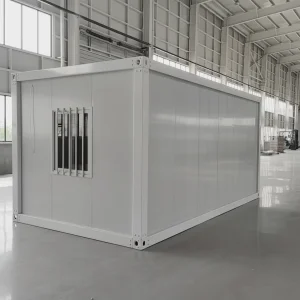
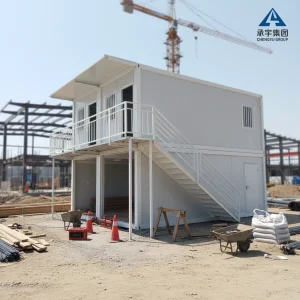
1. Industrial and Resource Sector Camps: Large-scale mining, oil, and gas extraction sites require durable, self-contained worker dormitories, administrative offices, commercial kitchens, and recreation facilities. Utilizing structural K-house and flat-pack container frameworks, we deliver rugged multi-story dormitory complexes capable of fast relocation and continuous reuse in extreme climates.
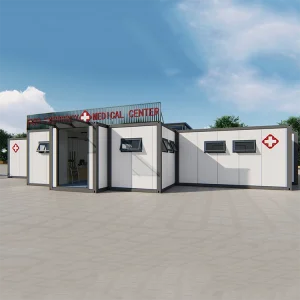
2. Emergency Relief & Healthcare Infrastructure: Rapid deployment is vital during natural disasters or health crises. The modular mobile clinic, emergency field hospital container systems, and fast-assembly isolation rooms from NGL Home can be shipped, unpacked, and fully set up within hours, featuring pre-integrated medical-grade washrooms, electrical conduits, and dynamic HVAC connections.
3. Institutional & Educational Facilities: To combat urban educational space shortages, NGL Home manufactures eco-friendly flat-pack portable classrooms. These modular schools provide clean, well-insulated, and naturally lit educational spaces that can be expanded horizontally or vertically as regional needs grow.
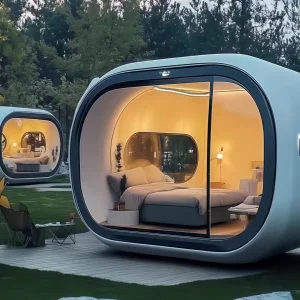
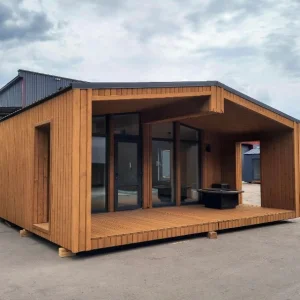
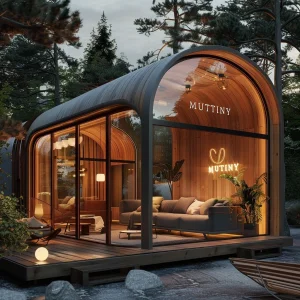
4. Eco-Tourism and High-End Modular Residential Units: For hospitality operators, modular resort villas, luxury expandable cabins, and influencer-style triangular guesthouses offer premium accommodation without long onsite construction timelines. These units blend architectural luxury with structural portability, allowing direct installation in scenic or remote locations with minimal environmental disturbance.
Our commitment to quality relies on a detailed, modern engineering path. The manufacturing process of NGL Home integrates advanced computer-aided design, strict materials selection, and rigorous testing protocols:
Engineers utilize CAD and Revit modeling to run structural load simulations, calculating wind drift, seismic limits, and center-of-gravity distributions for every custom build.
Main structural elements utilize Q235B/Q345B steel, undergoing hot-dip galvanization (minimum coating thickness: 80g/m² to 275g/m²) to prevent oxidation and chemical corrosion.
Continuous double-sided steel sandwich panel presses integrate insulation layers (thermal conductivity down to 0.022 W/m·K for polyurethane cores), ensuring optimal thermal resistance.
Pre-shipment trial assemblies check component alignments, sealing integrity, plumbing pressure, and wiring insulation before flat packing or expandable container containerization.
A primary bottleneck in modular home procurement is navigating international building codes and customs clearance. Guangzhou NGL Home guarantees compliance by designing systems aligned with regional certifications, including Europe's CE marking, North American International Building Code (IBC) regulations, and Oceanian AS/NZS standards. The electrical circuits, conduits, plumbing pipes, and drainage assemblies are pre-configured to meet national compliance requirements before shipping.
Logistical engineering is a key strength of our factory. Every product, from standard 20ft flat-pack containers to complex 3-in-1 expandable villas, is packaged to fit standard 40ft High Cube shipping containers. A single 40ft HC container can transport up to 4 to 6 units of flat-pack modules, significantly reducing shipping freight. To support regional partners, NGL Home provides clear architectural assembly plans, detailed video guides, and direct engineering consulting to ensure local installation teams assemble, seal, and deploy each unit smoothly.
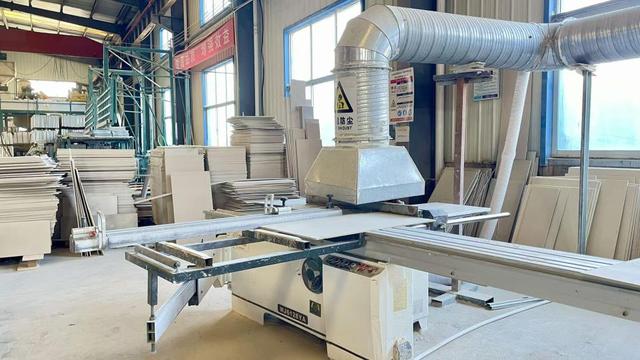
A detailed view of our raw material warehousing, mechanical production lines, quality inspection stages, and prepared shipment batches.
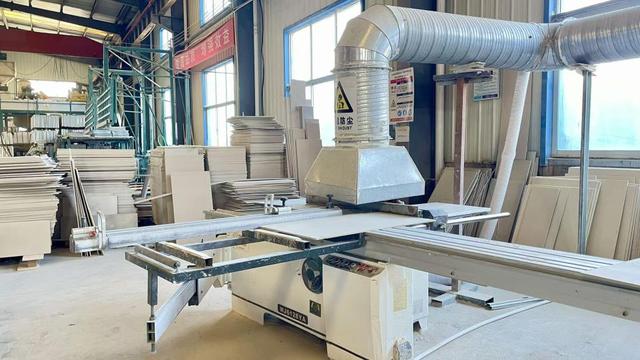
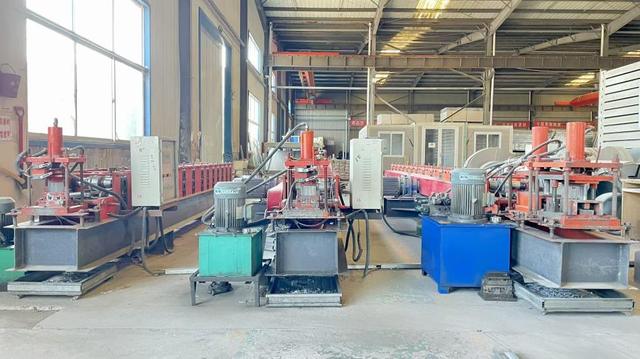
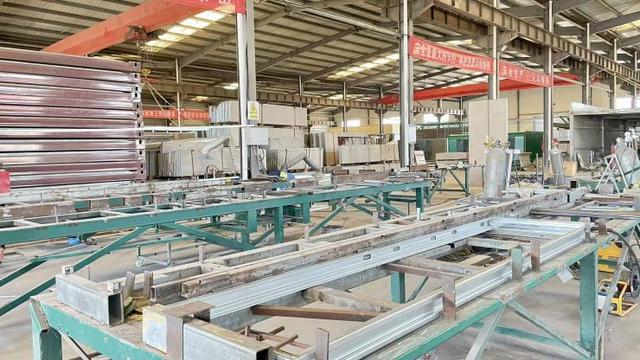
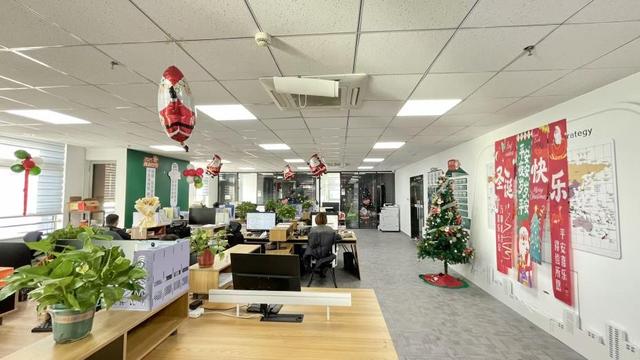
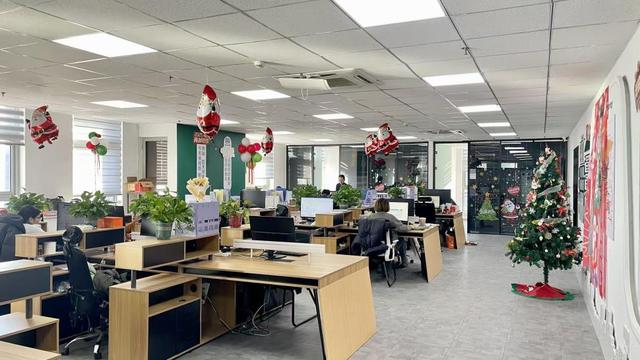
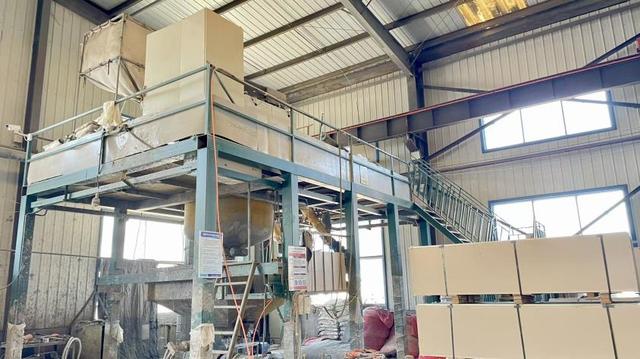
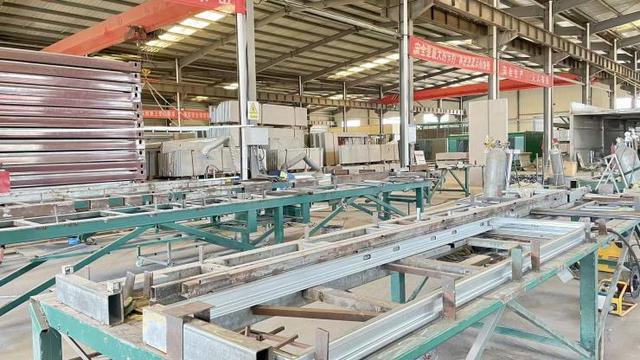
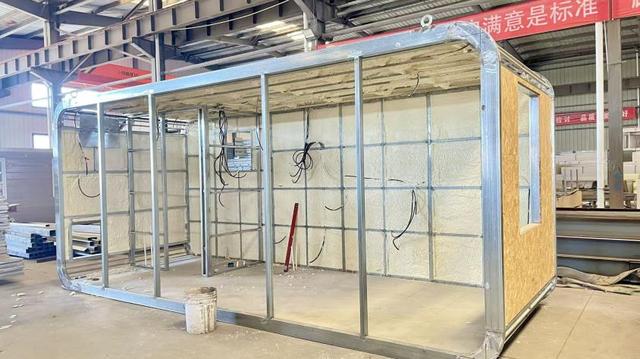
Key information regarding structural durability, thermal insulation performance, customization limits, and logistical details.
Explore our additional customized structures, luxury portable cabins, emergency centers, and eco-villas.
 NGL Home