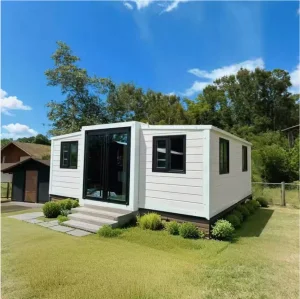
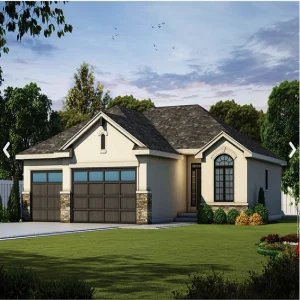
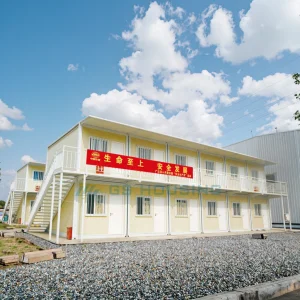
Discover high-precision prefab units engineered for thermal efficiency, structurally sound load resistance, and minimal construction waste.
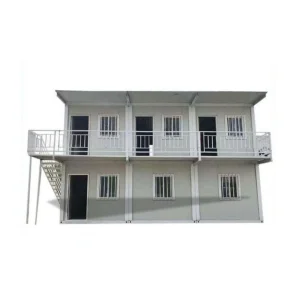
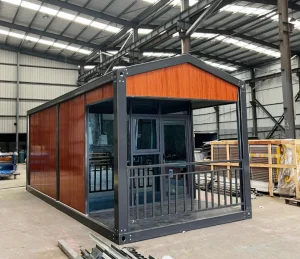
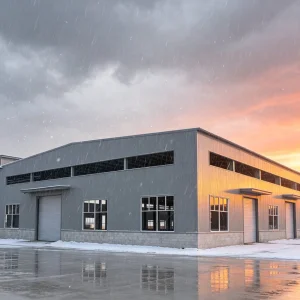
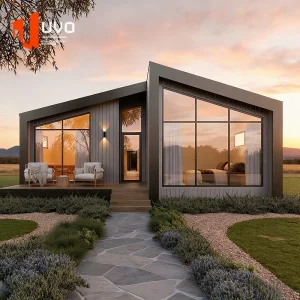
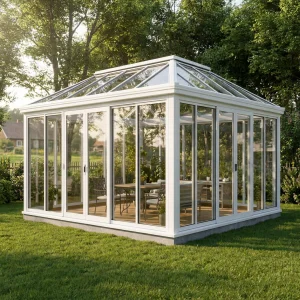
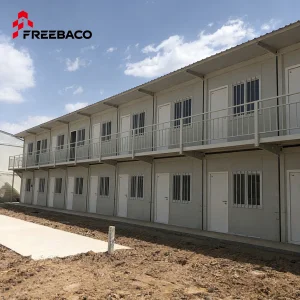
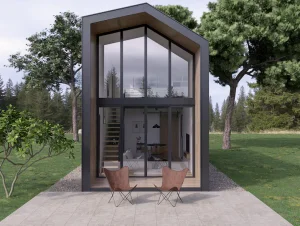
An authoritative analysis of structural recycling, compliance engineering, and modern modular methodologies.
The global construction industry is undergoing a paradigm shift. Traditional masonry and cast-in-place concrete structures, responsible for approximately 39% of global energy-related carbon emissions, are being systematically replaced by circular-economy solutions. Among these, recycled material houses and light-gauge steel structural systems represent the pinnacle of sustainable prefabrication. By leveraging end-of-life recycled steel, upcycled polymers, and bio-composite insulation, contemporary modular manufacturers are setting new benchmarks for thermal regulation, structural elasticity, and lifecycle value.
As a premier hub of manufacturing innovation, China's prefabricated housing supply chain has matured from producing basic structural configurations to delivering complex, code-compliant, high-performance building systems. These modular units satisfy strict environmental standards across North America, Europe, Oceania, and the Middle East, transforming the way developers approach workforce lodging, commercial expansions, and permanent residential developments.
Across international markets, drivers such as strict ESG (Environmental, Social, and Governance) investment policies, the European Union's Carbon Border Adjustment Mechanism (CBAM), and regional green building regulations (e.g., LEED, BREEAM, and Passivhaus) have accelerated the demand for low-impact structural components. Builders are no longer just looking at immediate acquisition costs; they are calculating the *Embodied Carbon* of materials from raw extraction to end-of-life cycle phases.
Recycled material modular structures are particularly advantageous here. Cold-formed steel (CFS) sections, sourced predominantly from post-consumer structural scrap, can be recycled repeatedly without degradation of tensile strength. When coupled with advanced wall panels containing post-consumer recycled polyisocyanurate (PIR) or rockwool derived from mineral waste, these structures achieve remarkable R-values while minimizing land-use impact and construction site disturbance.
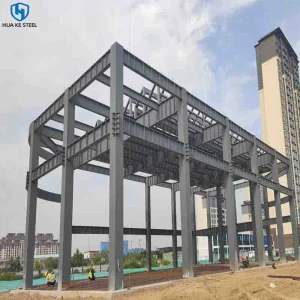
The engineering foundation of modern recycled modular buildings is built on precision tolerance control and advanced metallurgy. The structural load-bearing frame typically consists of hot-dip galvanized steel members conforming to standard structural steel grades (such as ASTM A653 or EN 10346). These profiles undergo precision roll-forming to ensure uniform load distribution, allowing modular structures to withstand wind pressures exceeding 180 km/h and seismic activity up to Seismic Zone 4.
Thermal performance is optimized using structural insulated panels (SIPs) or multi-layered composite walls. By decoupling the interior finished wallboard from the external cladding through thermal breaks, thermal bridging is effectively eliminated. This structural design drastically reduces the cooling and heating loads of the finished buildings, ensuring long-term operational efficiency.
Delivering high-caliber structural integrity, customized layouts, and certified modular products across global logistics lines.
Guangzhou NGL Home Co., Ltd. is a leading manufacturer of prefab houses, modular buildings, portable homes, and steel structure construction solutions in China. With extensive experience in the prefabricated building industry, we are committed to providing innovative, efficient, and sustainable housing systems for residential, commercial, industrial, and institutional applications worldwide.
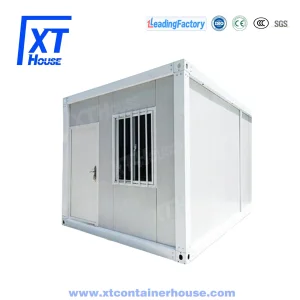
Our product range includes prefab houses, modular homes, steel structure houses, portable cabins, flat pack container houses, expandable homes, labor camps, site offices, modular classrooms, healthcare buildings, commercial units, resort villas, and customized prefabricated structures. Designed with flexibility and durability in mind, our solutions offer fast installation, convenient transportation, reduced construction costs, and excellent long-term performance.
At NGL Home, we combine advanced manufacturing technology with rigorous quality management to ensure every project meets international standards. Our experienced engineering team offers complete OEM and ODM services, including customized layouts, structural design, thermal insulation, electrical and plumbing systems, interior decoration, exterior finishes, and project-specific modifications to satisfy diverse customer requirements.
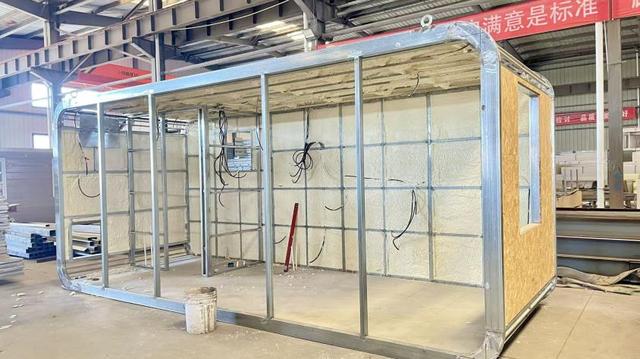
Constructed with premium galvanized steel frames and high-quality insulation materials, our prefabricated buildings provide outstanding structural strength, weather resistance, energy efficiency, and comfortable living environments. They are widely applied in construction sites, mining camps, government housing projects, tourism resorts, educational facilities, medical centers, emergency relief programs, military camps, and permanent residential developments.
Driven by innovation, quality, and customer satisfaction, Guangzhou NGL Home continuously invests in modern production equipment and product development to deliver reliable modular construction solutions to global markets. Our products are exported to Europe, North America, South America, Southeast Asia, the Middle East, Africa, and Oceania, earning long-term trust from contractors, developers, distributors, and project owners.
As your trusted prefab house manufacturer in China, Guangzhou NGL Home is dedicated to delivering high-quality products, competitive pricing, flexible customization, timely delivery, and comprehensive technical support. We look forward to building efficient, sustainable, and future-ready spaces together with partners around the world.
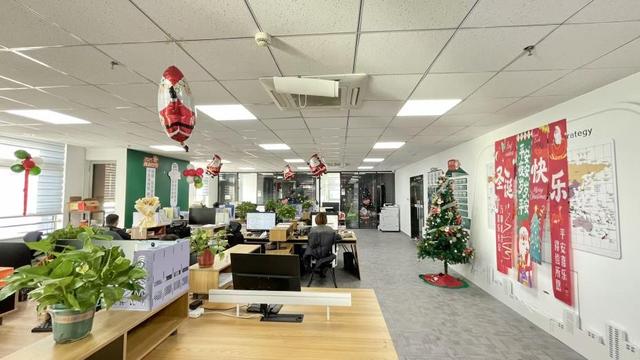
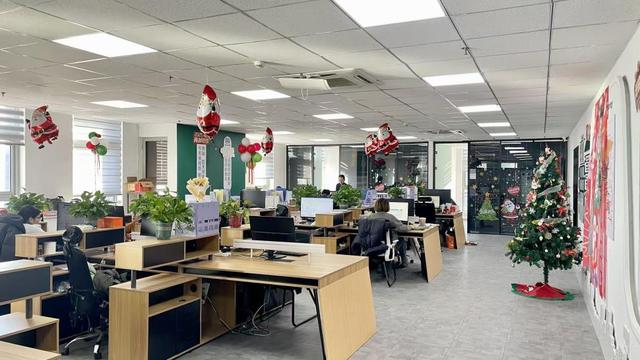
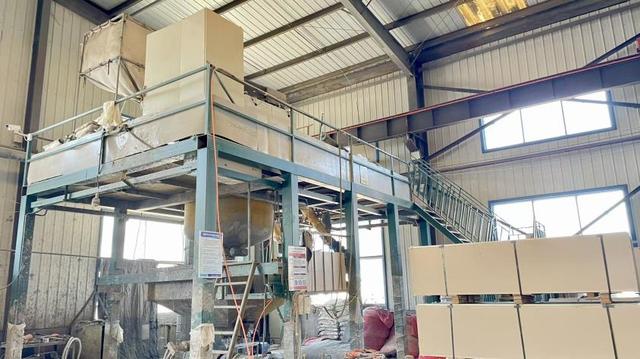
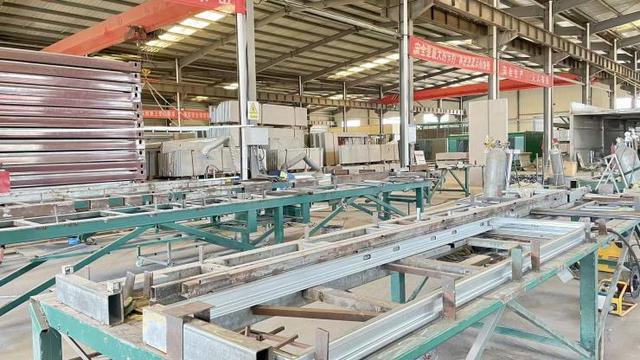
A showcase of our industrial manufacturing centers, quality assurance testing, and pre-assembly verification processes.
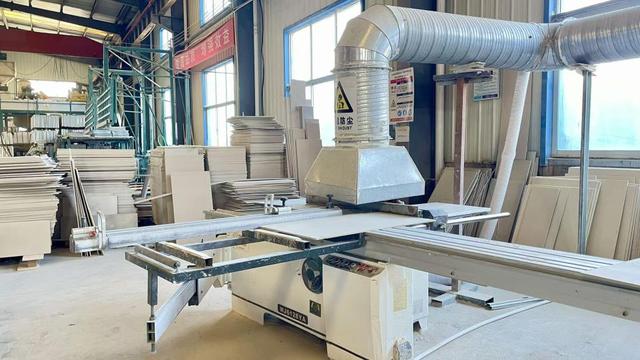
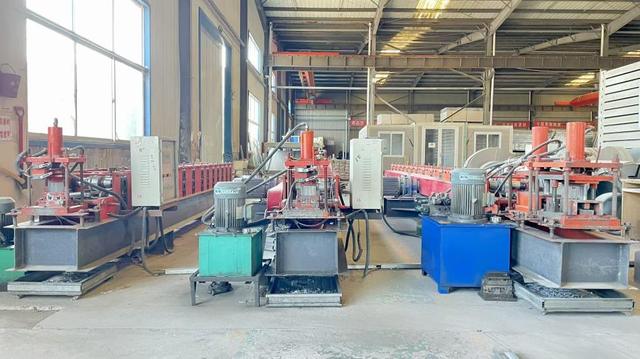
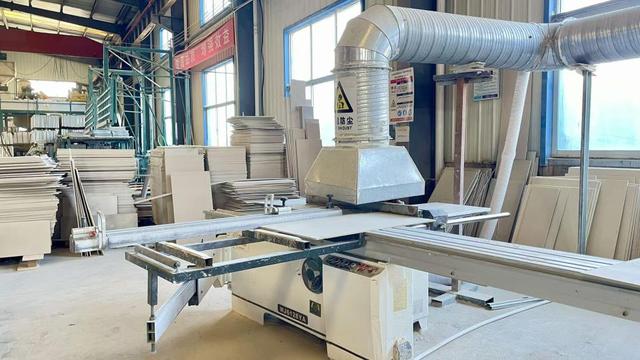
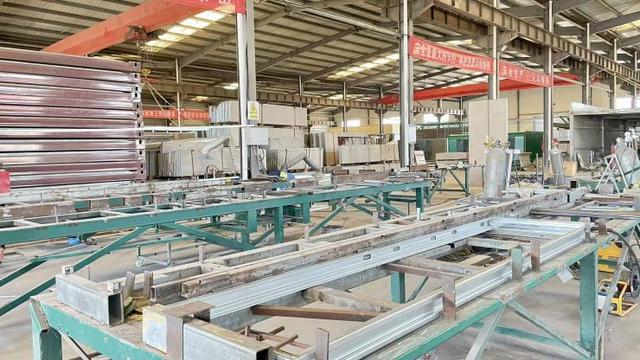
Building requirements vary drastically by region. Our engineering solutions are built to dynamically address local site limitations, meteorological environments, and regulatory challenges:
In Northern Europe, Canada, and the Northern United States, the focus is on thermal envelope performance. We utilize thick polyurethane (PU) core panels with an engineered joint seal system to prevent convection leaks, keeping structural heat retention high even in sub-zero winter cycles.
In the Middle East and coastal mining areas of Australia, structures face high UV exposure, extreme heat, and airborne salt spray. We employ specialized PVDF-coated steel skins and C4/C5 marine-grade galvanized structures to resist oxidation and structural decay over long service lifetimes.
For projects in Southeast Asia, Japan, and the Caribbean, units are built with additional corner cast reinforcements and inter-module locking ties to absorb lateral forces, stabilizing structures against hurricanes and seismic waves.
Over the next decade, Guangzhou NGL Home's product engineering roadmap centers on three primary axes:
Incorporating carbon-negative bio-insulation cores made from agricultural fiber residues and bio-resins, reducing initial carbon intensity to zero.
Embedding flexible photovoltaic thin-film overlays directly onto roof sections and integrating greywater filtration units within the module chassis.
Deploying IoT telemetry sensors within structural steel nodes to monitor loading patterns, dampness levels, and corrosion rates, allowing predictive structural health management.
Modern prefabrication represents a vital strategy for addressing complex urban and industrial challenges. From expanding rapid-deployment worker housing in resource-rich remote areas to executing urban infill projects using modular apartments and retail structures, we provide scalable solution pathways that reduce project delivery timelines by up to 50% compared to traditional on-site construction.
Answers to engineering, customization, and logistics queries for project managers and procurement offices.
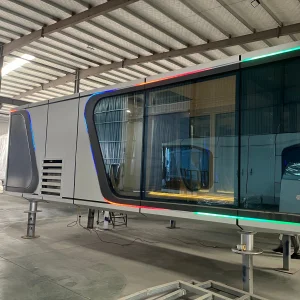
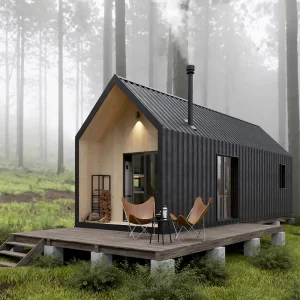
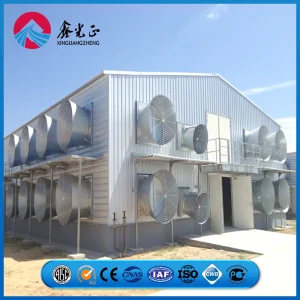
Heavy-duty construction frameworks, luxury modular villas, and customized institutional buildings.
 NGL Home